Standing in front of your wardrobe an hour before a funeral, wondering whether your only dark dress is appropriate, whether the navy trousers are dark enough, or whether you need a tie — this is one of the quietly stressful moments that grief adds to an already difficult day. You want to show respect. You do not want to stand out for the wrong reason. And you do not want the question of what to wear to a funeral to take up the emotional energy you need for being present with the people who matter.
This complete guide removes all of that uncertainty. It covers exactly what to wear to a funeral for every type of service, every season, every cultural tradition, and every role — whether you are a grieving family member, a close friend, a colleague, or a distant acquaintance attending out of respect. By the end, you will know precisely what works, what to avoid, and how to dress with genuine respect regardless of what you have in your wardrobe right now.
The Core Principle — One Rule That Covers Everything
Before getting into specific outfits and occasions, one principle guides every decision in this guide.
Dress to honour, not to impress.
A funeral is not an occasion for fashion. It is not an opportunity to demonstrate your personal style, showcase a recent purchase, or wear something that makes you feel particularly confident or attractive. The purpose of your outfit is to signal respect for the deceased, care for the grieving family, and an understanding of the solemnity of the occasion. The best funeral outfit is one that blends in quietly and allows attention to remain where it belongs — on the person being mourned and the people who loved them.
The practical translation of this principle is straightforward. Dark colours. Modest silhouettes. Simple and understated accessories. Clean, pressed clothing in good condition. Nothing that draws the eye or invites comment. The guiding principles remain consistent across virtually every type of service — modesty, simplicity, and dark or muted tones.
In 2026, funeral dress codes have evolved to be somewhat more flexible than they were a generation ago. But the core principle has not changed. When in doubt, choose conservative, modest clothing in dark colours. That guidance covers the vast majority of situations without any further nuance required.
What to Wear to a Funeral — Women
Women have a broader range of appropriate options than men when it comes to funeral attire, which can paradoxically make the decision feel more difficult. The following outfits all work for the vast majority of traditional funeral services.
Option 1 — The Classic Dark Dress
A simple dark dress remains the most traditional and reliable choice. A knee-length or longer dress in black, dark navy, charcoal, or dark grey is a classic choice that works for virtually every type of service. The length should fall at or below the knee — nothing significantly above it. The silhouette should be modest and not form-fitting. The neckline should be conservative — nothing low-cut or revealing.
Fabric matters. Matte fabrics read as more respectful than shiny or reflective materials. Crepe, jersey, ponte, and matte silk are all excellent choices. Avoid sequins, metallics, and any fabric with a high sheen.
Option 2 — Dark Skirt and Blouse
A dark, modest skirt paired with a conservative blouse works beautifully as an alternative to a dress. The skirt should fall at or below the knee. The blouse should be in a dark, muted, or neutral tone — white or cream is acceptable for the blouse in most Western funeral traditions. Tuck the blouse in for a neater, more polished appearance.
Option 3 — Dark Trousers and Top
Tailored dark trousers with a blouse, shell top, or sweater is perfectly appropriate and often more practical than a dress or skirt — particularly for outdoor services, cold weather, or when the occasion requires standing for extended periods. The trousers should be well-fitted and clearly professional in appearance rather than casual. Dark charcoal, black, or navy are all appropriate.
Option 4 — Dark Trouser Suit or Structured Jacket
A structured trouser suit in black, charcoal, or dark navy is one of the most versatile and reliably appropriate funeral outfit choices available. It works across formal and less formal services, handles seasonal variations gracefully when layered, and avoids any uncertainty about appropriateness. A dark blazer or structured jacket also works beautifully over a dress or blouse and skirt combination — adding polish and modesty simultaneously.
Shoes for women at funerals
Closed-toe shoes are the most appropriate choice for virtually every funeral service. Open-toe shoes are generally considered less formal and are best avoided unless the service is very informal or takes place in a warm outdoor setting where closed-toe shoes are genuinely impractical.
Flats, low block heels, and kitten heels are all excellent choices. Very high stiletto heels are inappropriate — both because they draw attention and because they are impractical at graveside services where you may need to walk on grass or uneven ground. The heel height should be moderate — comfortable enough to stand in for an extended period and not so dramatic that it creates a fashion statement.
Colour should be dark and muted. Black, dark navy, charcoal, and dark brown are all appropriate. Avoid brightly coloured shoes entirely.
Accessories for women at funerals
Jewellery should be minimal and understated. Simple stud earrings, a delicate necklace, or a small bracelet are appropriate. Avoid statement jewellery, large costume pieces, and anything that creates sound or movement — dangling earrings and charm bracelets both fall into this category.
Bags should be small and in a dark or neutral tone — a simple clutch or small structured bag is ideal. Avoid large tote bags or casual fabric bags.
What to Wear to a Funeral — Men
Men’s funeral attire is more straightforward in its parameters than women’s, though the details matter considerably.
The standard — dark suit, white shirt, dark tie
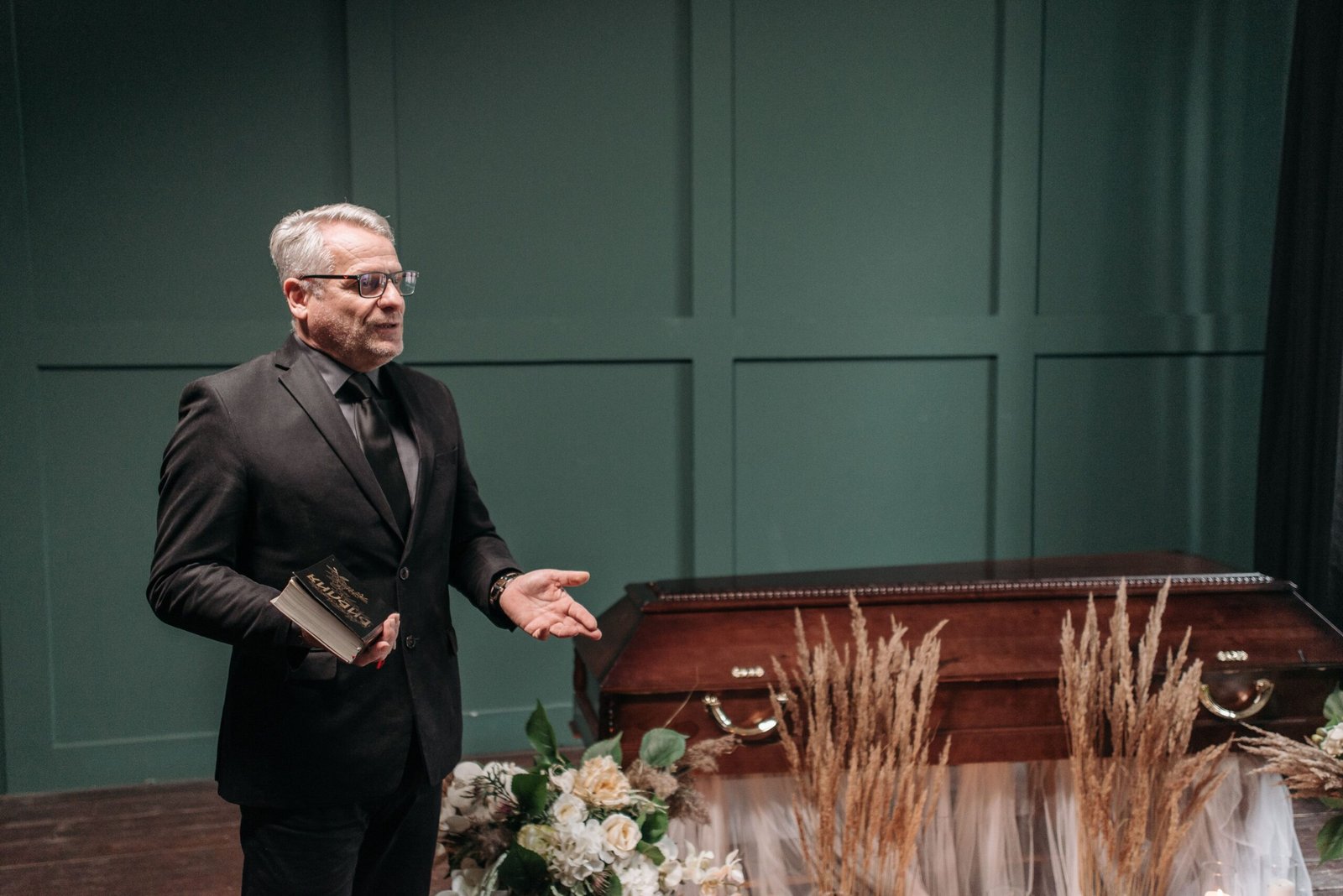
A dark suit — black, charcoal, or dark navy — with a white or muted dress shirt and a conservative tie is the gold standard for funeral attire for men. This combination works for virtually every type of service at every level of formality. If you own a dark suit and are uncertain about anything else, default to this combination without hesitation.
The shirt should be a plain white or very pale colour with a standard collar — not a button-down collar, which reads as casual. The tie should be dark — black, dark navy, or dark grey — and in a simple, conservative pattern or no pattern at all. Avoid novelty ties, bright patterns, and anything that creates visual noise.
Shoes should be clean, well-polished dark leather dress shoes. Black Oxford shoes are the most appropriate choice. Dark brown leather shoes are acceptable but slightly less formal. Trainers, casual shoes, and bright or patterned footwear are not appropriate.
Dark dress socks that are long enough to cover the ankles when seated are an important detail that is easy to overlook. White or patterned socks are not appropriate.
If you do not own a dark suit
Not everyone owns a dark suit, and the absence of one should not prevent appropriate attendance at a funeral. The following combinations are appropriate for services where the family has not specified black-tie or strictly formal attire.
Dark dress trousers with a dark blazer or jacket, a collared dress shirt, and dark shoes. The trousers and jacket do not need to match perfectly, but they should be close enough in tone that the overall impression is coordinated rather than mismatched.
Dark chinos — not jeans — with a collared dress shirt, a dark jacket or blazer, and dark shoes. This is a step below a suit in formality but remains respectful when everything is neat, dark, and pressed.
Colours — What Works and What to Avoid
Colours that are always appropriate
Black remains the universal default and is never wrong for a funeral in any Western tradition. Dark charcoal grey and dark navy blue are equally appropriate alternatives. Dark burgundy and very dark forest green are acceptable in some contexts, though they carry more risk of appearing too casual or colourful depending on the service.
White and cream are appropriate for shirts and blouses in most Western funeral traditions, and in some cultural traditions — particularly South Asian and East Asian mourning customs — white is actually the primary mourning colour rather than black.
Colours to avoid
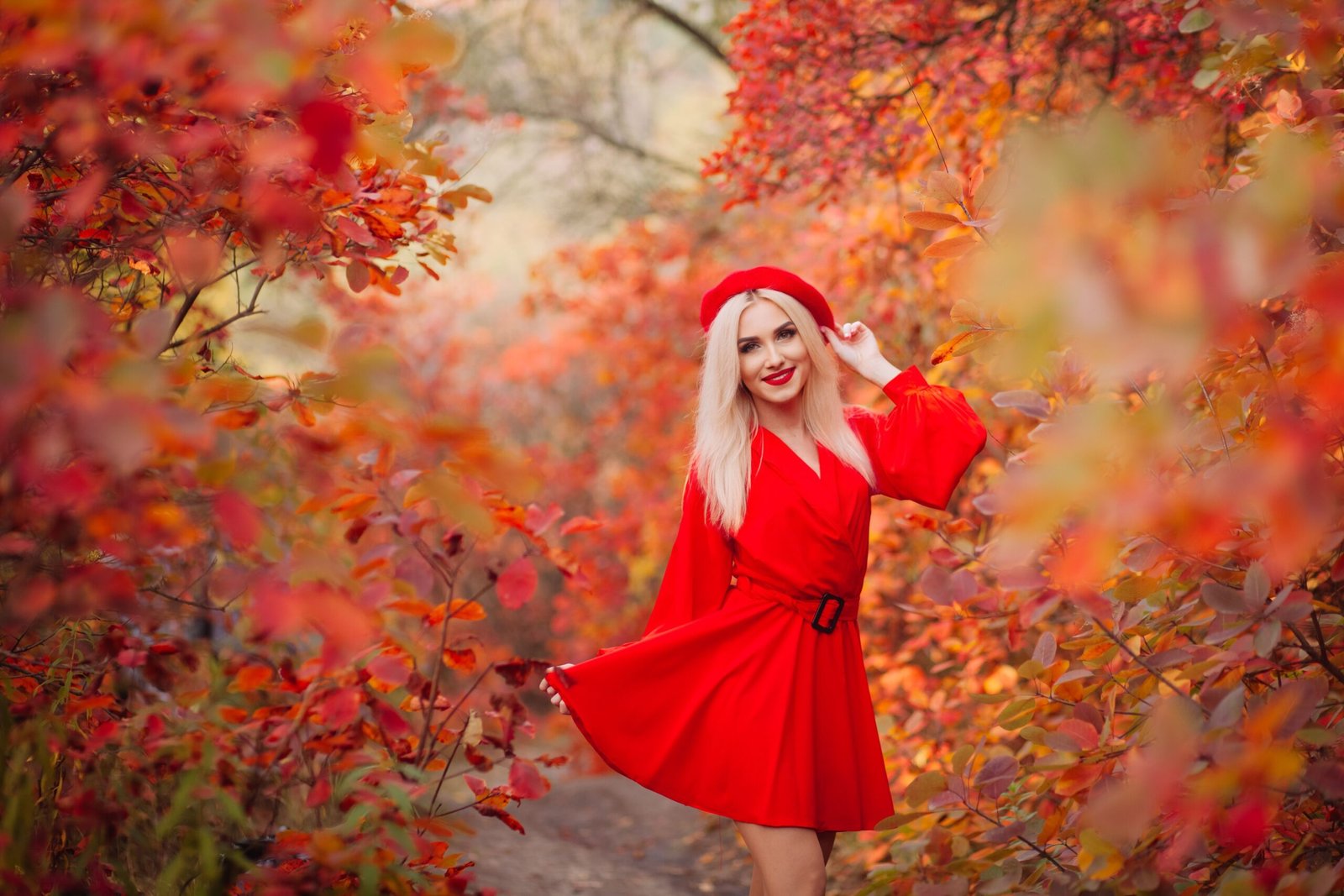
Bright red, orange, hot pink, yellow, and neon colours of any kind are not appropriate for funeral attire. These colours draw attention toward the wearer and away from the service. Busy multicolour patterns — loud florals, bold animal prints, geometric patterns in contrasting colours — are similarly inappropriate. What matters more than the exact shade is that the overall outfit reads as sombre, modest, and free of bright accents.
The exception — when the family requests colour
An increasing number of services — particularly celebrations of life rather than traditional funerals — specifically request that attendees wear colour, sometimes specifying a particular colour or the favourite colour of the deceased. When the family or invitation makes this request, following it is the most respectful choice. A request to wear colour is an invitation to celebrate the person’s life in a specific way the family has chosen — honouring it matters more than adhering to traditional dark attire.
What to Wear to a Funeral by Season
Summer funeral attire
Summer presents a genuine challenge — the obligation to dress respectfully in dark colours conflicts with the practical reality of heat. The solution is to choose lightweight dark fabrics rather than abandoning the dark colour requirement.
For women, a lightweight dark jersey or crepe dress is more comfortable in heat than wool or heavier fabrics. Dark linen — if kept pressed and neat — is appropriate. Lightweight dark trousers with a sleeveless dark blouse under a light structured jacket works beautifully for summer services. The jacket can be removed indoors if necessary, though putting it back on for outdoor graveside services is respectful.
For men, lightweight wool, linen-blend, or tropical weight suit fabric handles summer heat far more effectively than standard wool. A dark linen blazer breathes better than wool for less formal summer services. If the service is outdoor and graveside only, dark lightweight dress trousers with a collared dress shirt and a dark jacket or blazer — removing the jacket only if heat becomes genuinely difficult — is appropriate.
Drink water before the service and stand in shade at outdoor services when possible. Heat-related discomfort during a funeral is something nobody should have to manage unnecessarily.
Autumn funeral attire
Autumn weather is variable enough that layering is the most practical approach. A dark dress or suit worn with a dark wool coat handles the temperature range between an indoor service and an outdoor graveside committal without requiring a change of outfit. Dark scarves and gloves are appropriate and add warmth without departing from the respectful aesthetic.
Winter funeral attire
Winter funeral attire follows the same principles as standard funeral attire with the addition of appropriate outerwear. A dark wool coat is ideal. Dark boots — for women, particularly — are entirely appropriate for winter funerals and often more practical than dress shoes when navigating snow, ice, or wet grass at graveside services. Function over fashion applies at graveside services in winter — dark, practical footwear that allows you to stand safely is more important than maintaining a purely formal shoe choice.
A dark turtleneck sweater with dress trousers is appropriate for both men and women at winter funerals, particularly less formal or family-only services. Layering a dark blazer or jacket over it adds formality when required.
Spring funeral attire
Spring weather can be cold, warm, or rainy depending on location. A dark dress or suit with a light but dark-toned layer — a structured jacket, a lightweight coat — handles spring variability well. Keep an umbrella in a dark or neutral colour available for outdoor services.
Cultural Variations in Funeral Attire
It is essential to be aware that funeral attire varies significantly across different cultural and religious traditions. When attending a service from a tradition different from your own, taking a moment to understand the specific expectations is a genuine act of respect.
Christian and Western secular funerals
The standard Western funeral dress code described throughout this guide — dark colours, modest silhouettes, conservative accessories — applies to Christian funerals across most denominations and to secular Western services. Catholic, Protestant, Anglican, and non-denominational services generally follow the same principles, though Catholic services particularly value modesty of dress including covered shoulders for women.
Jewish funerals
Jewish funeral attire follows similar principles to standard Western funeral dress — dark, modest, and conservative. Men who are Jewish may wear a kippah. Women should dress modestly with covered shoulders and arms. Services often move quickly and mourning customs are specific — following the lead of other guests is wise if you are unfamiliar with the traditions.
Islamic funerals
Islamic funeral services typically request modest dress for all attendees — covered arms and legs, covered hair for women, and generally conservative clothing. If you are attending an Islamic funeral and are unsure of the specific expectations at that community’s service, contacting the family or mosque beforehand to ask is both appropriate and appreciated.
Hindu funerals
White is the traditional mourning colour in Hindu tradition rather than black. If you are attending a Hindu funeral, wearing white or pale neutral colours rather than black is a sign of cultural awareness and respect. The same applies to many South Asian and East Asian funeral traditions where white carries the mourning significance that black holds in Western tradition.
Sikh funerals
Sikh funeral attire generally emphasises modesty and subdued colours. White is again a common choice for Sikh mourning. Covering the head — with a headscarf for women, and with a turban or covered head for men — is respectful when entering the Gurdwara.
Buddhist funerals
Buddhist funeral customs vary considerably by denomination and cultural background, but white is again a common mourning colour in many Buddhist traditions. Modest, quiet clothing in white, grey, or black is generally appropriate. Following the lead of other guests is the most reliable approach when unfamiliar with the specific community’s customs.
African American funerals
African American funeral traditions vary widely — many traditional services value formal dress very highly, and a well-dressed appearance is seen as a specific form of respect for the deceased. Dark, formal, well-pressed attire is typically expected and appreciated. Some celebrations of life in African American communities may request specific colours or more festive dress — follow any specific guidance from the family.
Celebration of Life services
An increasing number of families choose to hold a celebration of life rather than a traditional funeral. These services often explicitly request casual dress, bright colours, or the deceased’s favourite colour. The invitation or family communication will generally make this clear. When it does, following the request is the most respectful response — the family has thought about this request carefully and it represents their wishes for how their loved one’s life should be honoured.
What NOT to Wear to a Funeral
Understanding what to avoid is as important as knowing what works. These are the most common mistakes in funeral attire.
Bright or neon colours. Red, orange, hot pink, bright yellow, neon green — these colours draw attention toward the wearer and away from the service. Avoid them entirely unless the family has specifically requested colour.
Revealing or form-fitting clothing. Low necklines, very short hemlines, tight-fitting fabrics, and anything that emphasises the body in a way that is more appropriate for social occasions than solemn ones. A funeral is not the occasion for any outfit that might be described as sexy or glamorous.
Casual clothing. Jeans — unless very dark wash and paired with a structured jacket — are generally not appropriate for traditional funeral services. T-shirts, trainers, athleisure, and overly casual clothing communicate a lack of care about the occasion regardless of how they are paired. If you genuinely have no other option, dark jeans with a structured jacket and smart footwear are far preferable to bright or obviously casual alternatives.
Busy or bold patterns. Loud floral prints, animal prints, bold geometric patterns, and any pattern that creates significant visual noise are inappropriate. If you choose to wear a patterned piece, it should be subtle enough that the pattern barely registers from a conversational distance.
Strong perfume or cologne. Funeral services often include elderly or sensitive attendees, and enclosed indoor spaces make strong fragrances particularly intrusive. Apply fragrance sparingly or not at all.
Overly casual footwear. Trainers, flip-flops, and brightly coloured or patterned shoes are not appropriate for funeral services. Closed-toe, dark, and neat is the standard.
Excessive or loud jewellery. Large statement pieces, dangling jewellery that creates sound or movement, and fashion jewellery that draws the eye all contradict the core principle of dressing to blend in respectfully.
Clothing that is wrinkled or stained. Whatever you choose to wear, it should be clean and well-pressed. Wrinkled or stained clothing appears disrespectful regardless of its style or colour.
Attending a Funeral When You Have Nothing Appropriate
This is a genuinely common situation — you receive news of a funeral with little notice and do not own anything that clearly fits the criteria above. Here is what to do.
Check what you have in the darkest colours available. A dark grey dress, a black skirt with a neutral blouse, dark trousers with a dark top — imperfect combinations are better than the most perfect casual outfit. Add the most formal and dark layering piece you own — a dark blazer, a structured jacket, a dark cardigan worn in a neat way — to elevate the outfit and demonstrate intentional effort.
If time allows and the situation permits, a quickly acquired piece from any high street store — a dark blazer, a simple dark dress — is a worthwhile investment that will serve you for future occasions as well.
Most importantly, remember that your presence and your genuine support matter far more than the perfection of your outfit. If you make the best effort possible with what you have and present yourself neatly and modestly, you are communicating the respect that matters. No grieving family is scrutinising guest attire — they are grateful for the presence of the people who came.
Quick Reference — Funeral Outfit Checklist
Before leaving for the service, check your outfit against these questions.
Is the colour dark or muted — black, navy, charcoal, dark grey, or deep tone? Is the silhouette modest — nothing too tight, too short, or too revealing? Are the shoes closed-toe, dark, and comfortable enough for standing? Is jewellery minimal and quiet? Is the outfit clean and well-pressed with no visible stains? Is fragrance applied sparingly or not at all? If the family requested specific attire — colour, casual, formal — does the outfit reflect that request?
If the answer to each of these questions is yes, you are dressed appropriately. Focus the rest of your attention on being present for the people who need you there.
Final Thoughts
Knowing what to wear to a funeral removes one source of stress from an already difficult experience. The core principle is simple and consistent — dark, modest, understated, and respectful. The specific outfit matters far less than the intention behind it.
Dress to honour the person who has died and to support the people who loved them. Show up. Be present. The rest takes care of itself.