Few things cause as much anxiety for men as deciphering dress codes. Is “business casual” the same as “smart casual”? What exactly does “black tie optional” mean? Can you wear sneakers to a wedding? The confusion is understandable—dress codes have evolved significantly in recent years, and what was once a rigid set of rules has become a nuanced spectrum of expectations.
This comprehensive guide will demystify every dress code you’re likely to encounter, from the most formal to the most relaxed, ensuring you’re always appropriately dressed for any occasion.
The Evolution of Men’s Dress Codes
The way men dress has undergone a dramatic transformation over the past century. In the 1950s, a man wouldn’t dream of leaving the house without a hat and a jacket. By the 1990s, casual Fridays had begun eroding the traditional suit-and-tie office uniform. Today, the pandemic has accelerated this shift, with many workplaces adopting permanent hybrid policies and relaxed dress standards.
According to a 2024 survey by the American Psychological Association, 67% of men report feeling uncertain about appropriate attire for professional and social events. This uncertainty isn’t unfounded—dress codes have become more complex, not less. The global formalwear market is projected to reach $96.8 billion by 2030, indicating that while codes may be more varied, the demand for guidance remains strong.
The Dress Code Spectrum: From Formal to Casual
1. White Tie (Ultra-Formal)
White tie is the most formal dress code in existence. It is reserved for state dinners, royal events, and the most prestigious galas.
Essential Elements:
- Tailcoat: A black or midnight blue tailcoat with silk lapels
- White Pique Shirt: A wing-collar shirt with a separate detachable collar
- White Bow Tie: Tied in a batwing style
- White Waistcoat: Typically made of pique cotton
- Black Formal Trousers: With a single satin stripe down each leg
- Patent Leather Shoes: Opera pumps or highly polished Oxfords
- White Gloves (optional but traditional)
When to Wear: State dinners, royal weddings, the Vienna Opera Ball, and the Nobel Prize ceremony.
Statistical Fact: White tie events are so rare that only 2% of men will ever attend one in their lifetime, according to a survey by Debrett’s.
2. Black Tie (Formal)
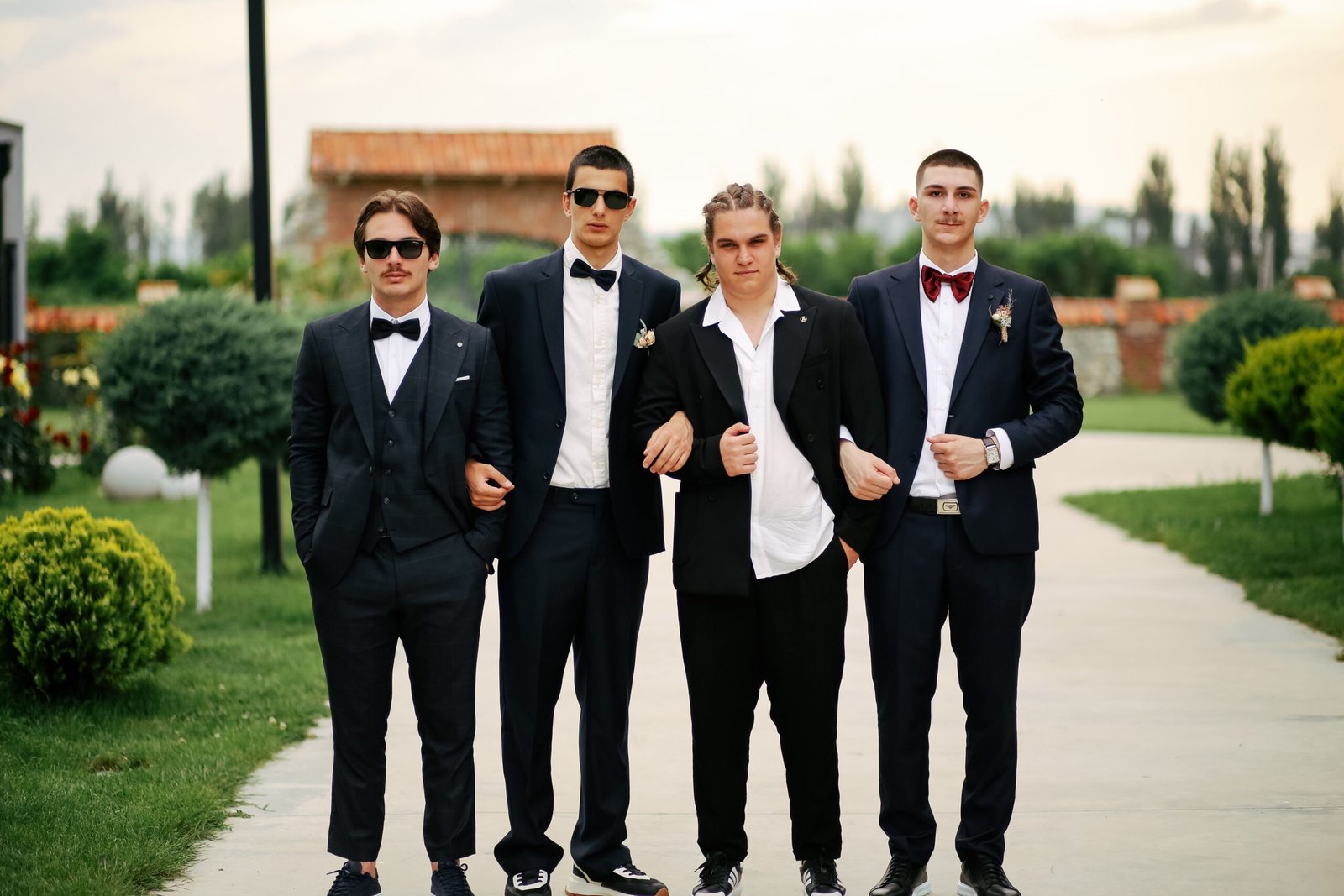
Black tie is the most common formal dress code for evening events. It signals elegance, sophistication, and respect for the occasion.
Essential Elements:
- Dinner Jacket: A black or midnight blue shawl-collar or peak-lapel jacket
- Formal Trousers: Matching trousers with a single satin stripe
- White Dress Shirt: A marcella (pique) front shirt with a wing or turndown collar
- Black Bow Tie: Self-tied, not pre-tied
- Black Formal Shoes: Patent leather Oxfords or velvet slippers
- Cummerbund or Waistcoat: Optional but adds polish
When to Wear: Charity galas, formal weddings (evening), New Year’s Eve balls, and award ceremonies.
Statistical Fact: The global black tie market is estimated at $4.5 billion annually, with 40% of sales occurring between October and December due to the holiday season.
Pro Tip: A well-fitted dinner jacket will last a lifetime. Avoid modern trends like shawl collars in bright colors unless you’re attending a less traditional event.
3. Black Tie Optional / Creative Black Tie
This code allows for slight flexibility while maintaining formality. It’s common at weddings and charity events.
Essential Elements:
- Dark Suit: Navy or charcoal are excellent alternatives to black
- White Dress Shirt
- Black Tie or Subtle Patterned Tie
- Formal Shoes: Oxfords or Derbies in black or dark brown
When to Wear: Weddings, formal dinners, and corporate events where some guests may wear black tie.
Key Point: “Black tie optional” does not mean you should dress down. You’re expected to look formal—a dark suit is the bare minimum. Creative black tie allows for more personality, like a velvet dinner jacket or a patterned shirt.
4. Formal / Business Formal
This is the traditional office uniform for law firms, banks, and government positions. It projects authority and professionalism.
Essential Elements:
- Solid Navy or Charcoal Suit (two-piece)
- White or Light Blue Dress Shirt (spread or point collar)
- Conservative Tie (silk, stripes or small patterns)
- Leather Oxford Shoes (black or dark brown)
- Matching Leather Belt
- Subtle Pocket Square (optional)
When to Wear: Court appearances, high-level board meetings, job interviews at conservative firms, and formal business events.
Statistical Fact: According to a LinkedIn survey, 45% of hiring managers say they would be less likely to hire a candidate who is underdressed for an interview, even if their qualifications are excellent.
5. Business Casual
Business casual is the modern professional standard. It’s professional but relaxed, allowing for comfort and personal expression while maintaining a polished appearance.
Essential Elements:
- Chinos or Tailored Trousers (khaki, navy, grey, olive)
- Button-Down Oxford or Dress Shirt (light blue, white, subtle stripes)
- Blazer or Sport Coat (optional but recommended)
- Loafers, Derbies, or Clean Sneakers (white leather are acceptable in many offices)
- Leather Belt
- No Tie Required (but keep one handy)
When to Wear: Most office environments, client meetings in creative industries, business lunches, and conferences.
Statistical Fact: A CareerBuilder survey found that 80% of employers have relaxed their dress codes since the pandemic, with business casual now being the most common workplace dress code.
6. Smart Casual
Smart casual is perhaps the most ambiguous dress code. It’s a step above casual but below business casual. The goal is to look intentional and polished without being overdressed.
Essential Elements:
- Dark Jeans or Tailored Trousers
- Polo Shirt, Fine-Gauge Knit, or Casual Button-Down
- Blazer or Casual Jacket (optional)
- Loafers, Suede Derbies, or Clean White Sneakers
- Minimal Accessories
When to Wear: Date nights, theater performances, nice restaurants, casual business events, and weekend outings.
Statistical Fact: Searches for “smart casual men’s style” have increased by 300% over the past five years, according to Google Trends, reflecting the growing confusion around this code.
Golden Rule: You should be the best-dressed person in a casual setting, but comfortable enough to blend in.
7. Casual
Casual is about comfort and personal style, but that doesn’t mean sloppy. Even in casual settings, you can look put-together.
Essential Elements:
- Well-Fitted Jeans or Chinos
- Quality T-Shirt, Henley, or Polo
- Casual Jacket or Sweatshirt
- Sneakers, Boots, or Loafers
- Avoid athletic shorts, flip-flops, and ripped or stained clothing
When to Wear: Weekend errands, casual dinners, backyard barbecues, travel, and informal gatherings.
Statistical Fact: The casualwear market is projected to reach $500 billion by 2028, driven largely by the post-pandemic shift toward comfortable, versatile clothing.
Dress Code Quick Reference Table
| Dress Code | Jacket | Shirt | Trousers | Shoes | Tie |
| White Tie | Tailcoat | Wing-collar formal shirt | Formal trousers with stripe | Opera pumps | White bow tie |
| Black Tie | Dinner jacket | Marcella-front formal shirt | Formal trousers with stripe | Patent Oxfords | Black bow tie |
| Black Tie Optional | Dark suit | White dress shirt | Formal trousers | Oxfords or Derbies | Black or subtle tie |
| Business Formal | Solid suit | White/light blue dress shirt | Matching suit trousers | Oxfords | Conservative tie |
| Business Casual | Blazer (optional) | Oxford or dress shirt | Chinos or tailored trousers | Loafers or Derbies | No tie required |
| Smart Casual | Blazer (optional) | Polo or casual button-down | Dark jeans or chinos | Loafers or clean sneakers | No tie |
| Casual | Casual jacket (optional) | Quality t-shirt or henley | Well-fitted jeans | Sneakers or boots | No tie |
How to Adapt Dress Codes for Different Occasions
Weddings
Wedding dress codes are notoriously tricky. Here’s a quick guide:
| Invitation Wording | What to Wear |
| “White Tie” | Full white tie formalwear |
| “Black Tie” | Dinner jacket, bow tie, formal trousers |
| “Black Tie Optional” | Dark suit or dinner jacket |
| “Formal” | Dark suit, white shirt, conservative tie |
| “Semi-Formal” | Suit or blazer with trousers, tie optional |
| “Cocktail Attire” | Suit or blazer, dress shirt, tie optional |
| “Garden Party” | Linen suit or blazer with chinos, no tie |
| “Casual” | Chinos, button-down shirt, no tie |
Statistical Fact: The average cost of a man’s wedding outfit in the US is $302**, according to a wedding industry survey. Renting a tuxedo costs approximately **$150–250, while purchasing one starts at around $500.
Job Interviews
Your interview attire depends heavily on the industry:
| Industry | Recommended Attire |
| Law, Finance, Government | Business formal (suit, tie) |
| Tech, Startups | Business casual or smart casual |
| Creative, Media | Smart casual |
| Retail, Hospitality | Business casual |
| Education | Business casual |
| Construction, Trades | Clean, professional casual (no suit) |
Pro Tip: When in doubt, dress one level above the company’s standard. It’s always better to be overdressed than underdressed for an interview.
Business Events and Conferences
- Networking Events: Business casual or smart casual
- Keynote Speeches: Business formal
- Breakout Sessions: Smart casual
- Evening Receptions: Cocktail attire or smart casual
Social Events
- Date Nights: Smart casual
- Theater or Opera: Business formal or smart casual
- Fine Dining: Smart casual
- Weekend Brunch: Casual
- Holiday Parties: Varies—check invitation
Common Dress Code Mistakes to Avoid
Wearing the Wrong Shoes
Your shoes often make the biggest impression. Worn-out, dirty, or overly casual shoes can ruin an otherwise polished outfit. For formal events, patent leather or highly polished Oxfords are essential. For business casual, keep your loafers or derbies in excellent condition.
Ignoring Fit
Ill-fitting clothes are the fastest way to look sloppy. Even a $2,000 suit looks cheap if it doesn’t fit properly. Conversely, a $200 suit that’s expertly tailored can look like a million bucks.
Forgetting Accessories
Belts should match your shoes. Ties should reach your belt buckle. Pocket squares should complement, not match, your tie. These small details separate the well-dressed from the merely clothed.
Going Too Casual for Formal Events
If the invitation says “black tie,” don’t show up in a suit. It’s disrespectful to the host and the occasion. When in doubt, ask the host for clarification.
Overlooking Grooming
Clothes are only half the picture. Unkempt hair, untrimmed facial hair, or noticeable odor can undermine any outfit. Pay attention to grooming—it’s part of your overall presentation.
The Psychology of Dressing Well
Dressing appropriately isn’t just about following rules—it’s about communicating respect, competence, and self-awareness. Research consistently shows that what you wear affects how others perceive you and how you perceive yourself.
- A 2023 study in the Journal of Experimental Social Psychology found that wearing formal clothing enhances abstract thinking and cognitive performance.
- Another study revealed that individuals who dress more formally feel more powerful and in control of their environment.
- In the workplace, well-dressed employees are perceived as more competent, confident, and trustworthy—attributes that can influence promotions and client relationships.
Final Thoughts
Men’s dress codes have evolved from rigid, unyielding rules into a flexible spectrum that allows for personal expression while maintaining social expectations. The key to navigating this landscape is understanding the fundamentals:
- When in doubt, dress up. It’s always easier to remove a tie or roll up sleeves than to appear underdressed.
- Fit is everything. No amount of money can compensate for poor fit.
- Quality matters. Invest in well-constructed pieces from reputable brands that prioritize craftsmanship. A classic navy blazer, a quality pair of chinos, and a well-made pair of shoes will serve you for years.
- Understand the occasion. Your style should be appropriate for the setting, whether it’s a boardroom, a wedding, or a weekend brunch.
- Personal expression is welcome. While dress codes provide guidelines, they also leave room for personality. A subtle patterned tie, a pocket square, or a unique brand choice can reflect your individuality without breaking the rules.
Ultimately, the best-dressed men are not those who follow every rule rigidly, but those who understand the rules well enough to navigate them with confidence and ease. Your wardrobe is a tool—learn to use it, and it will serve you for life.
Now go ahead—master your dress codes, and let your clothes work as hard as you do.