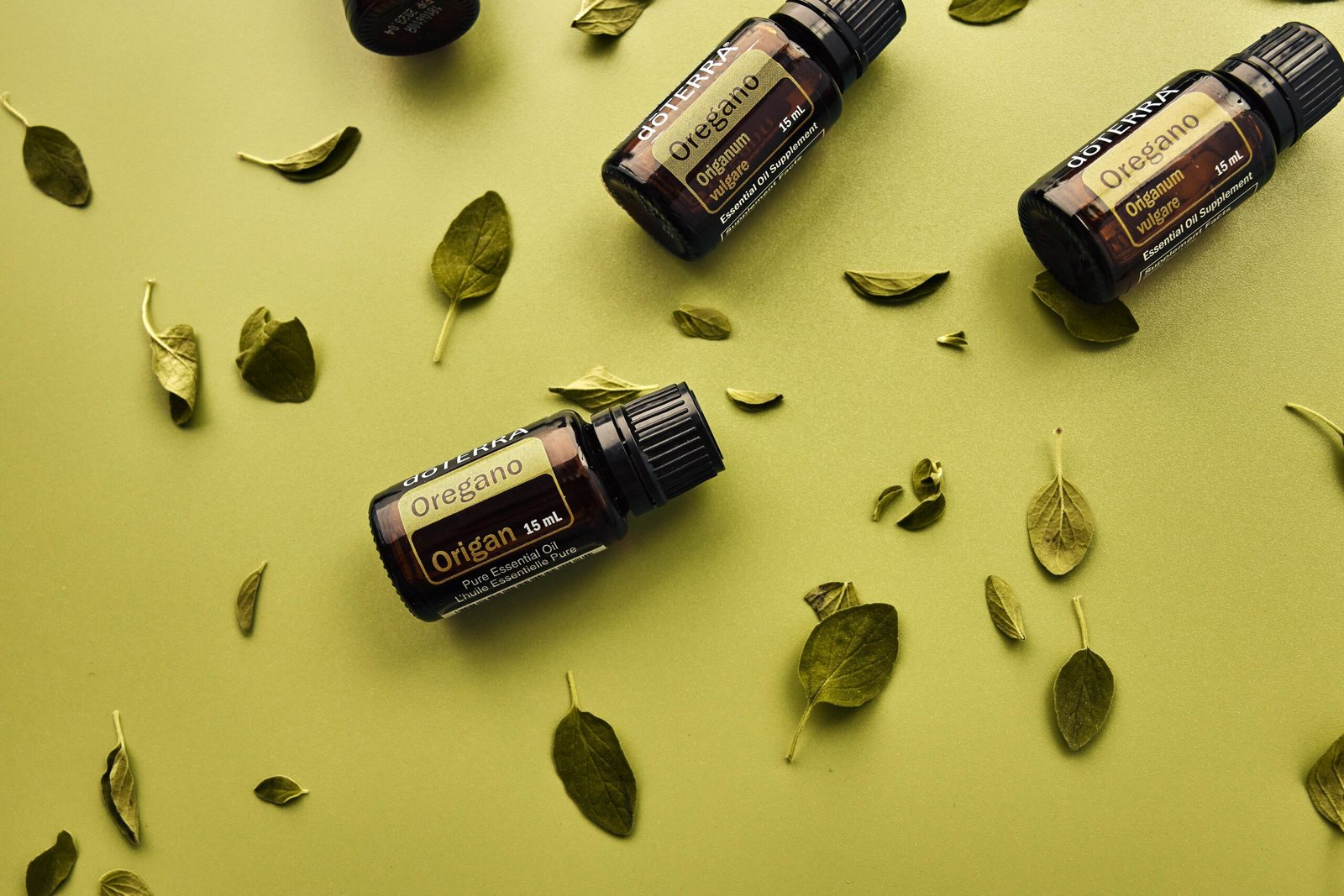
Oil of Oregano with Black Seed Oil — The Complete Wellness Guide
Natural wellness has never had more options — and it has never been harder to know which ones actually work. Among the growing collection of supplements, herbal remedies, and botanical extracts competing for attention, one combination has quietly built one of the most compelling bodies of supporting evidence available in the natural health space.
Oil of oregano with black seed oil brings together two of the most extensively researched natural compounds in the world — carvacrol from wild oregano and thymoquinone from Nigella sativa — in a combination that addresses immune health, digestive wellness, skin vitality, hair strength, and metabolic support simultaneously.
This complete guide covers everything — what each oil is, what the key compounds do, why the combination works better than either oil alone, how to use it for specific goals, dosage guidance, beauty applications, and everything you need to know about side effects and safety.
What Is Oil of Oregano?
Oil of oregano is a concentrated extract from the leaves of Origanum vulgare — the Mediterranean herb most people know from their kitchen spice rack, but in a form that is vastly more potent than the dried version used in cooking.
The most important compound in oregano oil is carvacrol. High-quality oregano oil supplements contain between 70 and 95 percent carvacrol, and the percentage matters enormously. A product with 40 percent carvacrol is not half as good as one with 80 percent — it is significantly less effective because the concentration of the active compound falls below the threshold at which most of the researched benefits have been demonstrated.
Wild oregano oil specifically refers to oregano sourced from wild-growing Mediterranean plants, typically from Turkey, Greece, or the surrounding region. Wild-harvested varieties consistently produce higher carvacrol concentrations than cultivated oregano because the harsher natural growing conditions cause the plant to produce more of its defensive compounds — and those are precisely the compounds that make oregano oil valuable as a supplement.
Oregano oil also contains thymol, rosmarinic acid, and various terpenes that contribute to what researchers describe as a synergistic compound profile — meaning the components work better together than any single one would alone.
What Is Black Seed Oil?
Black seed oil is pressed from the seeds of Nigella sativa — a flowering plant native to South Asia and the Mediterranean whose tiny, jet-black seeds have been used in traditional wellness practices across multiple cultures for more than two thousand years. Ancient Egyptian texts reference the seeds, and they hold a significant place in Islamic traditional medicine, where they are described as a remedy for everything except death.
The key active compound in black seed oil is thymoquinone. Over eight hundred published studies have investigated thymoquinone, making it one of the most researched natural compounds available. A 2017 systematic review in the Journal of Pharmacopuncture compiled findings from multiple human clinical trials examining black seed oil supplementation across a range of wellness applications.
Unlike oregano oil — which is classified as an essential oil and must always be diluted before topical use — black seed oil is a carrier oil or fixed oil. It is composed primarily of fatty acids including linoleic acid and oleic acid, which gives it a rich, nourishing quality that makes it gentle enough for direct skin application and suitable as a base for other oils.
Black seed oil also contains thymohydroquinone, thymol, and Omega-3 and Omega-6 fatty acids — a nutritional profile that contributes significantly to its skin and hair benefits beyond the headline thymoquinone content.
Why Combining These Two Oils Works Better Than Either One Alone
This is the question that most existing articles about oil of oregano with black seed oil fail to answer properly — and it is the most important question of all.
Both carvacrol and thymoquinone are phenolic compounds, but they have distinct and complementary biological activities. Carvacrol is the more aggressive of the two — it is particularly effective at targeting harmful microorganisms, breaking down bacterial and fungal cell walls, and providing rapid antimicrobial support. Thymoquinone works differently — it is more broadly anti-inflammatory, supports immune regulation over time, and provides significant antioxidant protection that helps the body manage oxidative stress at a cellular level.
When taken together, these two compounds address the immune and wellness spectrum from multiple angles simultaneously. Rather than choosing between a fast-acting antimicrobial compound and a longer-acting anti-inflammatory one, the combination delivers both profiles in a single daily supplement.
Many premium combined formulas also include complementary ingredients that extend this synergy further. Turmeric extract provides curcumin — one of the most studied natural anti-inflammatory compounds in the world. Ginger root adds digestive comfort and its own bioactive gingerols. Olive leaf extract contributes oleuropein, another well-researched antimicrobial compound. Astaxanthin provides additional antioxidant support. Black pepper extract — often listed as BioPerine — improves the absorption of curcumin significantly, ensuring that any turmeric included in the formula is actually bioavailable rather than simply passing through.
The result of a well-formulated combined supplement is not just the sum of two ingredients. It is a genuinely broader-spectrum wellness product than either oil provides independently.
Key Benefits of Oil of Oregano with Black Seed Oil
Immune System Support
Both carvacrol and thymoquinone have been studied extensively for their effects on immune function, and both demonstrate the ability to support the body’s natural defenses through different mechanisms.
Carvacrol has been shown in multiple preclinical studies to disrupt the cell walls of harmful bacteria and fungi, preventing their growth and reproduction. Over 1,500 published studies have investigated carvacrol’s properties across a range of microorganisms, making it one of the most studied natural antimicrobial compounds available.
Thymoquinone contributes to immune support through a different pathway — modulating inflammatory signalling molecules rather than directly targeting microorganisms. This complementary approach means that the combination addresses immune health both defensively and regulatorily, supporting the body’s ability to both fight threats and maintain appropriate inflammatory responses.
Many people who take oil of oregano with black seed oil as part of their daily routine report doing so specifically during the autumn and winter months as a proactive immune support measure — or increasing their intake at the first signs of illness.
Digestive Health and Gut Support
The digestive benefits of oil of oregano with black seed oil represent one of the most practically impactful applications of the combination — and one that most competitor articles cover inadequately.
Carvacrol has demonstrated the ability to selectively target harmful gut bacteria while supporting the overall balance of the gut microbiome. This selectivity is significant — unlike broad-spectrum antibiotics, which indiscriminately eliminate both harmful and beneficial bacteria, oregano oil appears to show preferential activity against pathogenic strains while leaving beneficial populations relatively intact. This makes it a valuable tool for supporting digestive balance rather than simply clearing everything in its path.
Thymoquinone contributes to gut health through its anti-inflammatory properties, which can help reduce intestinal inflammation that contributes to discomfort, bloating, and irregular digestive function. Black seed oil has been used in traditional medicine for digestive complaints for centuries, and modern research has begun to investigate the mechanisms behind these traditional applications.
Ginger — commonly included in combined oregano and black seed oil formulas — adds its own well-documented digestive support properties, making a quality combined supplement particularly effective for people who experience regular digestive discomfort.
Taking the supplement with food rather than on an empty stomach both improves absorption and reduces the chance of any temporary digestive sensitivity, which some people experience when first introducing oregano oil into their routine.
Skin Health — The Beauty Benefits Most Articles Miss
This is the dimension of oil of oregano with black seed oil that most existing wellness articles cover superficially or ignore entirely — and for the audience of a fashion and lifestyle publication, it may be the most relevant benefit of all.
Black seed oil’s fatty acid profile — particularly its linoleic and oleic acid content — makes it an extraordinarily effective skin nourisher. These fatty acids are the building blocks of a healthy skin barrier. When the skin barrier is strong, moisture is retained effectively, external irritants are kept out, and the skin maintains the smooth, luminous appearance associated with genuine health rather than cosmetic cover. Black seed oil applied topically or taken as a supplement supports this barrier function at a fundamental level.
Thymoquinone’s antioxidant properties protect skin cells from oxidative damage — the cellular mechanism behind premature ageing, uneven skin tone, and the gradual loss of elasticity that most people associate with getting older. By neutralising free radicals before they can damage skin cell DNA and collagen structures, thymoquinone provides genuine anti-ageing support rather than simply masking the appearance of ageing with surface-level moisturisation.
Carvacrol’s antimicrobial properties are particularly relevant for acne-prone skin. The bacteria most commonly associated with acne — Cutibacterium acnes — have been investigated in oregano oil studies, and the findings suggest that diluted oregano oil may be a useful addition to targeted spot care routines.
An important caution that most beauty-focused oregano oil articles fail to include is the risk of sensitisation. Using undiluted oregano oil directly on the skin, or using even diluted oregano oil with excessive frequency over long periods, can cause a sensitisation reaction — a form of acquired allergic response where the skin becomes permanently reactive to the compound. Always dilute oregano oil to a maximum of one to two percent in a carrier oil such as black seed oil, jojoba, or coconut oil for topical application, and do not apply it to the same area of skin every single day for extended periods.
DIY skin application recipe:
One teaspoon of black seed oil combined with two drops of high-quality oregano oil creates a skin-friendly blend that delivers both the nourishing benefits of the carrier oil and the targeted properties of the oregano. Apply to specific areas of concern rather than the entire face, and limit use to three to four times per week.
Hair Strength and Growth Support
The combination of oregano oil and black seed oil has become increasingly popular in natural hair care routines — and the scientific basis for this application is more solid than many people realise.
Black seed oil is rich in the fatty acids and antioxidants that directly nourish hair follicles. Thymoquinone has been investigated in studies examining hair follicle health and the factors that influence the growth cycle. The oil’s Omega-6 linoleic acid content supports the lipid layer surrounding each hair shaft, improving moisture retention and reducing breakage. Regular scalp application of black seed oil has been associated with reduced hair loss and improved hair thickness in both traditional practice and emerging research.
Carvacrol in oregano oil contributes to scalp health through its antimicrobial properties. Scalp conditions including dandruff and seborrhoeic dermatitis — which are associated with fungal overgrowth — may respond well to diluted oregano oil application, creating a cleaner scalp environment that supports healthy hair growth at the follicle level.
DIY hair treatment recipe:
Combine two tablespoons of black seed oil with four to five drops of oregano oil and massage gently into the scalp for five minutes. Leave for thirty minutes to an hour before washing out with a gentle shampoo. Use once or twice a week for best results.
Blood Sugar and Metabolic Support
This is a benefit of the combination that most lifestyle articles overlook entirely — but it is well supported by the existing research on thymoquinone specifically.
Multiple human clinical trials have investigated the effects of black seed oil supplementation on blood sugar regulation, with several finding measurable improvements in fasting blood glucose and insulin sensitivity in participants with elevated blood sugar levels. The proposed mechanism involves thymoquinone’s ability to improve insulin receptor sensitivity and support pancreatic beta cell function — the cells responsible for producing insulin.
Carvacrol has also been investigated in animal studies for its potential effects on metabolic function, with findings suggesting it may influence fat cell differentiation and support healthy weight management at a cellular level. While human trials in this area are less comprehensive than those examining immune and digestive applications, the mechanistic basis for the benefit is well established.
For people managing their weight or metabolic health through dietary and lifestyle means, oil of oregano with black seed oil represents a potentially useful complement to those efforts — though it should not be positioned as a replacement for medical treatment or appropriate lifestyle management.
Respiratory Health
Traditional use of oil of oregano for respiratory support has centuries of history across Mediterranean cultures, and modern research has begun to investigate the mechanisms behind this traditional application.
Carvacrol’s antimicrobial properties are relevant to respiratory health because many common upper respiratory complaints involve microbial components. The compound’s ability to disrupt microbial cell walls may help support the body’s natural defences during periods of respiratory challenge.
Black seed oil has been studied specifically in the context of respiratory health, with some research investigating its effects on bronchial function and airway inflammation. The anti-inflammatory properties of thymoquinone may help support comfortable breathing and reduce the inflammation associated with respiratory irritation.
Many people who use oil of oregano with black seed oil report taking it proactively during seasons when respiratory challenges are more common, or increasing their intake when they first notice symptoms of respiratory discomfort.
How to Take Oil of Oregano with Black Seed Oil
Supplement Formats Available
Softgels and capsules are the most popular format for taking oil of oregano with black seed oil. They provide precise dosing, completely eliminate the taste of the oils — which can be strong and unpleasant for some people — and are convenient to incorporate into a daily routine. Look for supplements that clearly state the carvacrol percentage on the label. Premium products contain 90 to 95 percent carvacrol. A product that lists oregano oil without specifying carvacrol content should be approached with caution because the concentration could be anywhere from 20 to 95 percent.
Liquid drops offer more flexible dosing and potentially faster absorption. They are taken under the tongue or diluted in water. The taste of pure oregano oil is extremely strong and can be unpleasant — quality liquid products often include manuka honey or peppermint to make the experience more pleasant.
Topical application of black seed oil — alone or diluted with a small amount of oregano oil — is appropriate for skin and hair applications. Always dilute oregano oil before any topical use and perform a patch test before applying to a larger area.
Dosage Guide
| Goal | Format | Dose | Timing |
|---|---|---|---|
| Daily wellness support | Softgels | 1 to 2 per day | With food, morning or lunch |
| Active immune support | Softgels | 2 per day | Morning and evening with food |
| Digestive support | Softgels or drops | 1 to 2 per day | With meals |
| Skin spot treatment | Diluted topical | 1 to 2 drops in 1 tsp carrier oil | 3 to 4 times per week |
| Hair and scalp treatment | Diluted topical | 4 to 5 drops in 2 tbsp black seed oil | Once or twice per week |
What to Look for When Buying
Not all supplements containing oil of oregano with black seed oil are equal in quality. These are the most important factors to check before purchasing:
Carvacrol percentage: This is the single most important quality indicator. Aim for 80 percent minimum — premium products contain 90 to 95 percent. Do not buy a product that does not state this figure clearly.
Wild Origanum vulgare: Wild-harvested Mediterranean oregano consistently produces higher carvacrol concentrations than cultivated varieties. Check that the label specifies both the species and the sourcing.
Third-party testing: Independent laboratory testing — from organisations such as Eurofins or equivalent — verifies carvacrol content and confirms the absence of contaminants. This is the most reliable external quality verification available.
Complementary ingredients: Turmeric with curcumin, ginger root, olive leaf extract, and astaxanthin all add genuine value to a combined formula. Black pepper extract improves curcumin absorption significantly and should be included in any formula containing turmeric.
Capsule count per bottle: Compare cost per capsule rather than headline price. A 300-count supply represents dramatically better value than a 60-count product at a similar price.
Clean formulation: Avoid products with unnecessary fillers, artificial colours, or ingredients whose purpose is not clear.
Side Effects and Safety
Oil of oregano with black seed oil is well tolerated by most people at standard supplemental doses, but there are important considerations to be aware of.
Digestive sensitivity: Some people experience mild stomach discomfort when first taking oregano oil, particularly on an empty stomach. Taking the supplement with food almost always resolves this. Starting with a lower dose and gradually increasing is a sensible approach for those new to oregano oil.
Allergic reactions: Oregano belongs to the Lamiaceae plant family, which includes mint, basil, sage, and thyme. People with known allergies to any of these plants should consult a healthcare professional before taking oregano oil supplements.
Pregnancy and breastfeeding: Oil of oregano is not recommended during pregnancy or breastfeeding. Do not take either oil during pregnancy without specific guidance from a qualified healthcare professional.
Medication interactions: Both oregano oil and black seed oil may interact with certain medications. Blood thinners and diabetes medication are of particular concern. Always consult your doctor before adding either supplement if you are currently taking any prescribed medication.
Iron absorption: Some research suggests that oregano oil may temporarily reduce iron absorption. If you supplement with iron, consider taking oregano oil at a different time of day to avoid this interaction.
Topical sensitisation risk: Applying undiluted oregano oil to the skin, or applying even diluted oregano oil daily over extended periods, can cause permanent sensitisation — an acquired allergic response where the skin becomes chronically reactive to the compound. Always dilute and limit frequency of topical application.
Who Should Consider Taking This Combination
People looking for daily immune support: The carvacrol and thymoquinone combination provides complementary immune support through distinct mechanisms — making it particularly useful as a proactive daily supplement rather than only a reactive one.
Those managing digestive issues: The antimicrobial and anti-inflammatory properties of the combination make it one of the most comprehensive natural options for people experiencing regular digestive discomfort, bloating, or imbalance.
Skin-conscious individuals: The antioxidant, anti-inflammatory, and antimicrobial properties of the combination — both taken internally and applied topically — offer genuine support for skin health, acne management, and long-term anti-ageing protection.
People interested in natural hair care: The combination of follicle-nourishing black seed oil and scalp-clarifying oregano oil addresses hair health from two complementary angles.
Those managing metabolic health: The emerging evidence for thymoquinone’s effects on blood sugar regulation and the preliminary findings on carvacrol’s metabolic activity make the combination of interest to people supporting their metabolic health through natural means.
Final Thoughts
Oil of oregano with black seed oil represents one of the most well-researched natural combinations available in the supplement market today. With over 1,500 published studies on carvacrol and over 800 on thymoquinone, the compound profiles of these two oils have received more scientific attention than most natural ingredients ever will.
What makes the combination genuinely impressive is not just the volume of research behind each individual ingredient — it is the complementary nature of their biological activities. Carvacrol acts quickly and aggressively against harmful microorganisms. Thymoquinone works more broadly and persistently through anti-inflammatory and antioxidant pathways. Together, they address immune health, digestive wellness, skin vitality, hair strength, and metabolic support from multiple angles simultaneously.
Whether you are looking for a daily wellness supplement, targeted support for a specific health goal, or natural beauty support that works from the inside out, oil of oregano with black seed oil delivers a genuinely comprehensive natural wellness solution built on a foundation of real research and centuries of traditional use.