1930s Dress Fashion: A Guide to 1930s Dresses & Style
1930s dress fashion is remembered for its elegant silhouettes, fluid fabrics, sophisticated details, and unmistakable Hollywood glamour. As fashion moved away from the straight, youthful shape of the 1920s, dresses began to follow the natural lines of the body. Long skirts, defined waists, low backs, graceful draping, and bias-cut construction became defining features of the decade.
Although the 1930s were shaped by the Great Depression, fashion did not lose its sense of glamour. Instead, designers created clothing that balanced practicality during the day with dramatic elegance for evening. Today, 1930s dresses remain popular for vintage weddings, themed events, costume collections, and anyone drawn to timeless old-Hollywood style.
What Defined 1930s Dress Fashion?
The biggest change in 1930s dress fashion was the return to a more feminine, elongated silhouette. The loose, tubular shape associated with much of the 1920s gradually gave way to dresses that emphasized the waist and followed the body’s natural curves.
The Metropolitan Museum of Art notes that after the 1929 stock-market crash, hemlines dropped and the waistline rose, while bias-cut dresses, low backs, and deep V-necks became important elements of the period.
Instead of relying on excessive decoration, many designers allowed the cut and movement of the fabric to create visual interest. Dresses could therefore look simple at first glance while containing highly sophisticated construction.
Common characteristics included:
- Long, flowing skirts
- Defined or slightly raised waistlines
- Bias-cut construction
- Draped necklines
- Deep or open backs
- V-shaped necklines
- Fitted bodices
- Soft sleeves
- Elegant gathers and pleats
- Satin, silk, chiffon, crepe, and rayon fabrics
Together, these details created a silhouette that was feminine without resembling the restrictive fashions of earlier decades.
The Rise of the Bias-Cut Dress
Few techniques are more closely associated with 1930s dress fashion than the bias cut. Rather than cutting fabric along its conventional straight grain, designers cut it diagonally. This allowed certain fabrics to stretch and drape naturally around the body.
Designer Madeleine Vionnet became particularly famous for developing and refining this approach. The Victoria and Albert Museum describes her as a pioneer of the bias-cut dress, while The Met highlights her ability to use the technique to create fluid garments that followed the body’s form.
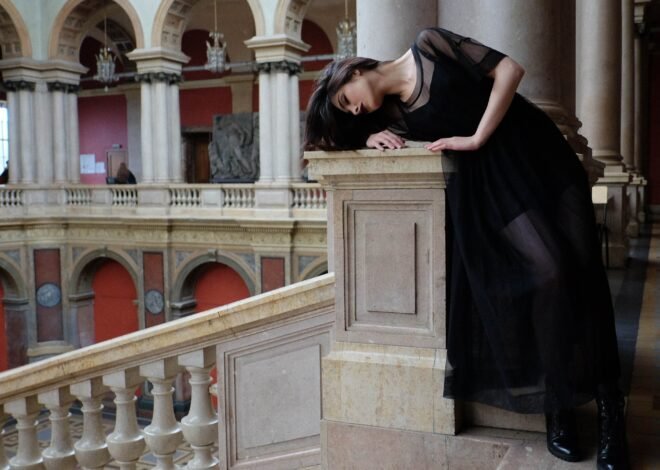
Bias-cut dresses could move beautifully when the wearer walked, making them especially effective for eveningwear. Silk crepe and satin were frequently suited to this effect because their surfaces emphasized the soft movement of the fabric.
The technique also explains why authentic 1930s vintage dresses can look remarkably modern. Their clean lines and body-conscious draping continue to influence contemporary designers.
1930s Day Dresses: Elegant but Practical
Not every dress from the decade was designed for glamorous evenings. Daywear was generally more practical, particularly as economic conditions influenced clothing choices.
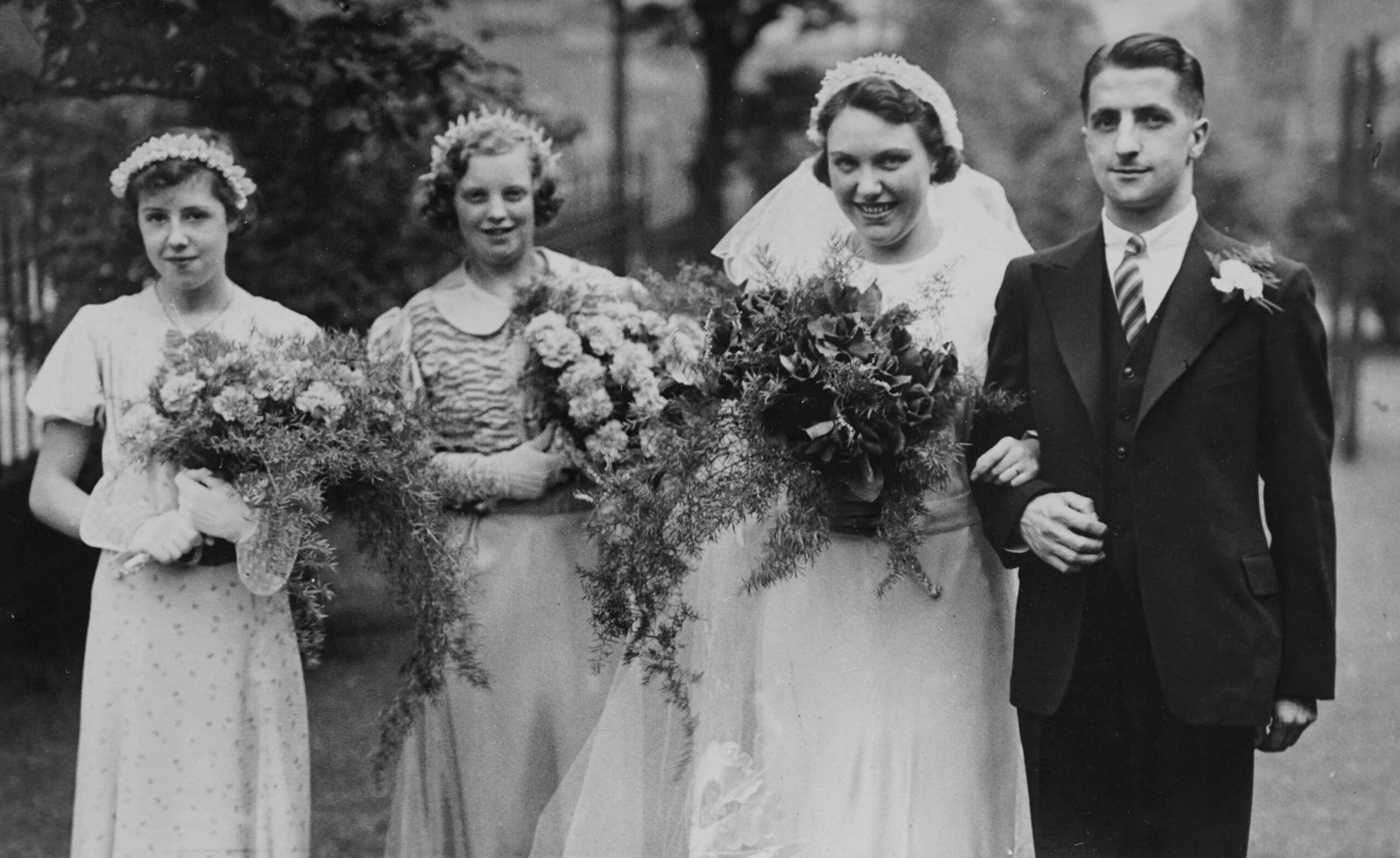
A typical 1930s day dress might feature a modest neckline, sleeves, a fitted waist, and a longer skirt. Patterns, buttons, collars, belts, and subtle tailoring added personality without requiring excessive ornamentation.
Day dresses could be made from practical textiles and were designed for everyday activities such as shopping, work, social visits, or informal gatherings. American sportswear of the period also emphasized utility and simplicity, showing that 1930s fashion was broader than the glamorous gowns often associated with Hollywood.
This balance between practicality and elegance is one reason 1930s-inspired dresses remain easy to adapt to modern wardrobes.
1930s Evening Dresses and Hollywood Glamour
If daywear represented practicality, eveningwear represented fantasy.
The growing influence of cinema helped make glamorous dresses highly desirable. Hollywood actresses became fashion inspirations, and designers created gowns that looked striking under studio lighting and on the silver screen.
The Metropolitan Museum of Art identifies Hollywood as an important influence on 1930s fashion, while designer Adrian became particularly associated with American movie glamour. His work for MGM included bias-cut gowns and dramatic designs worn by stars such as Jean Harlow and Joan Crawford.
Typical 1930s evening dresses could feature:
- Floor-length skirts
- Shimmering satin
- Silk crepe
- Chiffon overlays
- Open backs
- Draped necklines
- Decorative sleeves
- Beading or embroidery
- Long, flowing panels
Art Deco also influenced the period. The V&A notes that 1930s fashion combined elegant fluid forms with geometric influences, while reflective fabrics such as satin enhanced the fascination with light and surface.
Popular Fabrics in 1930s Dresses
Fabric played an important role in achieving the characteristic 1930s silhouette.
Silk was prized for luxurious eveningwear and worked particularly well with bias cutting. Satin offered a glossy surface that captured light, making it a natural choice for glamorous gowns. Chiffon provided softness and movement, while crepe created the smooth, fluid effect associated with many sophisticated dresses.
Rayon also became significant because it could provide attractive drape at a more accessible price than some luxury fabrics.
The choice of material was not simply decorative. Designers selected fabrics according to how they behaved on the body, particularly when creating the flowing shapes that defined the decade.
1930s Dress Fashion vs. 1920s Fashion
The difference between the two decades is easy to see when comparing their silhouettes.
Much 1920s fashion favored a straighter, less waist-focused shape, while the 1930s moved toward longer lines and a more defined figure. The Met describes the 1930s silhouette as increasingly structured, with evening dresses often clinging to the body’s curves and daytime suits becoming more tailored.
In simple terms:
1920s: straight, relaxed, youthful, shorter hemlines
1930s: elongated, curved, elegant, longer hemlines
The transition was not instantaneous, but by the early-to-mid 1930s, the new silhouette was firmly established.
How to Wear 1930s-Inspired Dresses Today
You do not need a head-to-toe vintage wardrobe to enjoy 1930s dress fashion.
For an authentic-inspired look, choose a long dress with a softly defined waist and flowing skirt. A bias-cut silhouette works especially well. Add understated jewelry, vintage-inspired heels, and a small evening bag for a formal occasion.
For daytime, look for a printed midi or maxi dress with a fitted waist, sleeves, and classic collar. The goal is to capture the proportions of the era without making the outfit look like a costume.
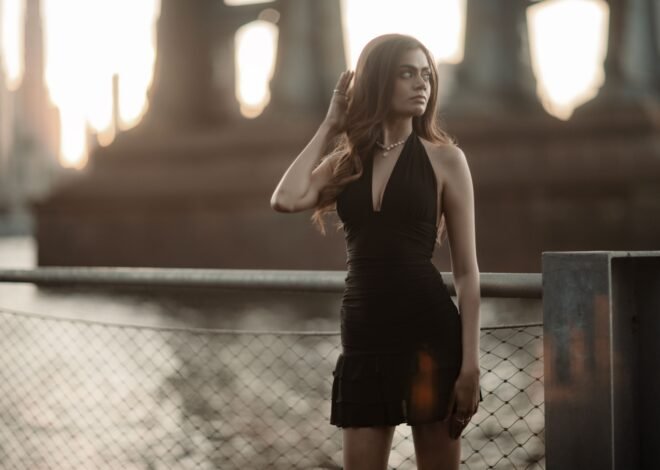
For an evening event, satin or silk-look fabrics, draped details, and an elegant open-back design can recreate the glamour associated with classic 1930s cinema.
Why 1930s Dress Fashion Still Inspires Designers
The enduring appeal of 1930s dress fashion comes largely from its combination of simplicity and sophistication. A bias-cut gown can appear effortless while requiring highly technical construction.
Madeleine Vionnet’s influence is particularly significant. The V&A explains that her approach to bias cutting transformed the relationship between fabric and the body, and her techniques continue to influence fashion design.
The decade also demonstrated that glamour does not always require heavy decoration. Strong silhouettes, beautiful materials, clever construction, and movement can make a dress memorable on their own.
FAQs
What did women wear in the 1930s?
Women wore a wide variety of day and evening dresses, suits, skirts, blouses, and practical garments. Dresses commonly featured longer hemlines, defined waists, fitted bodices, and softer, more natural silhouettes than those of the 1920s.
What is a typical 1930s dress style?
A typical 1930s dress often has a long, elegant silhouette, a defined waist, flowing skirt, and feminine neckline. Bias-cut construction, draping, low backs, and fluid fabrics are particularly characteristic of the era.
Why were bias-cut dresses popular in the 1930s?
Bias cutting allowed fabric to drape and move naturally around the body. Designers such as Madeleine Vionnet used the technique to create fluid, body-skimming garments that became strongly associated with 1930s fashion.
What fabrics were used for 1930s dresses?
Common fabrics included silk, satin, chiffon, crepe, and rayon. The specific fabric depended on the garment, occasion, and desired silhouette.
Are 1930s dresses still fashionable today?
Yes. Elements of 1930s fashion—including bias-cut gowns, fluid silhouettes, draping, and Hollywood-inspired eveningwear—continue to influence contemporary fashion and vintage-inspired clothing.
Final Thoughts
1930s dress fashion represents one of the most elegant transitions in twentieth-century style. The decade replaced much of the straight simplicity of the 1920s with graceful curves, longer silhouettes, fluid fabrics, and sophisticated construction.
From practical day dresses to glamorous Hollywood gowns, 1930s fashion offered something for every occasion. Its emphasis on movement, proportion, and timeless elegance explains why 1930s dresses continue to inspire vintage lovers and modern designers alike.
For anyone looking to recreate the romance of the era, the key is simple: choose an elongated silhouette, embrace beautiful draping, and let the dress itself create the drama.