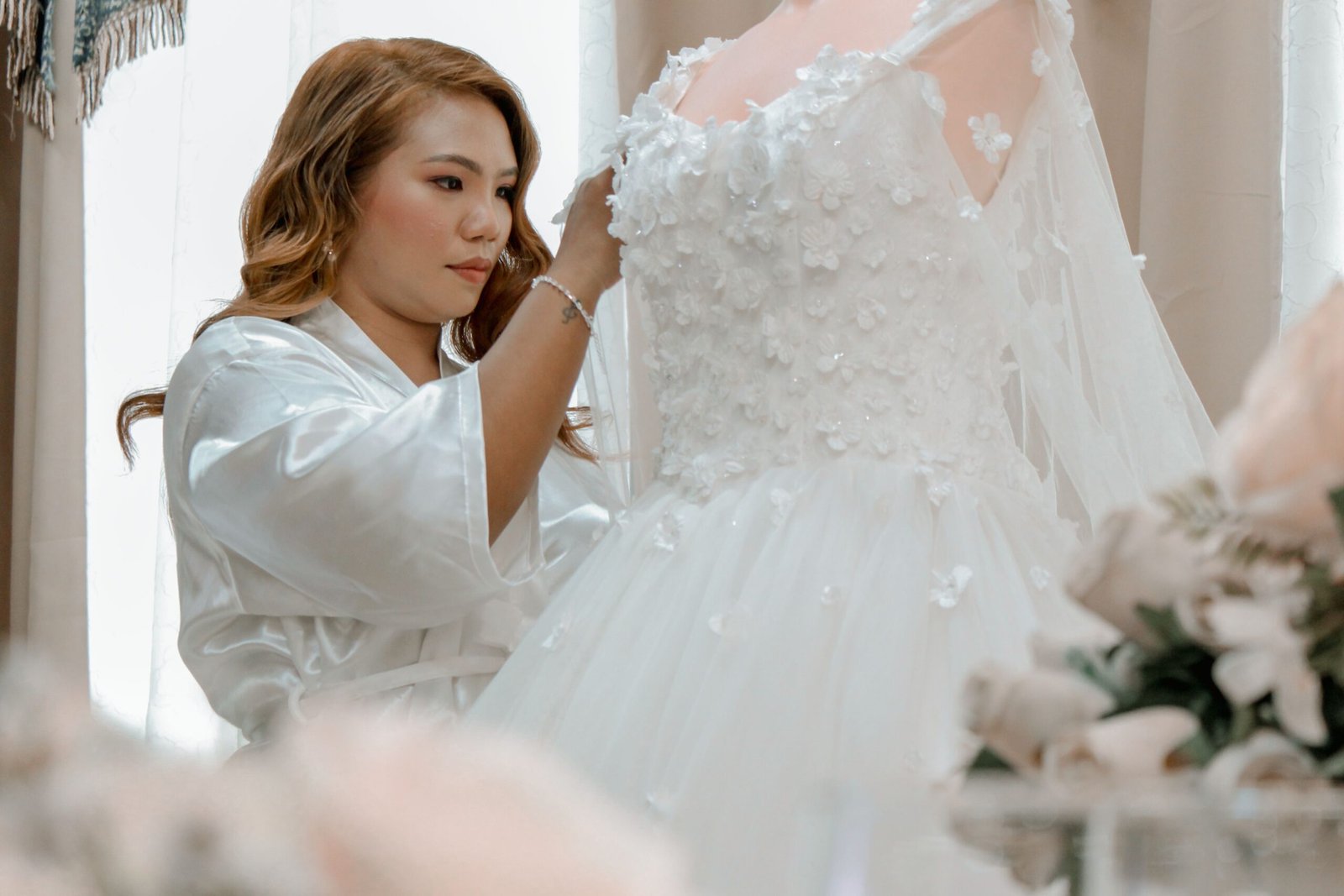
Alterations Bridal Gowns: Complete Guide to a Perfect Wedding Dress Fit
Finding your dream wedding dress is an exciting milestone, but choosing the gown is only the beginning. Even a beautifully designed dress may need adjustments before your wedding day. This is where alterations bridal gowns become an essential part of the bridal preparation process.
Bridal gown alterations can transform a beautiful dress into one that fits your measurements, complements your proportions, and feels comfortable enough to wear throughout your celebration. From adjusting the bodice and straps to hemming the skirt and creating a bustle, professional tailoring can make a significant difference.
Whether your gown is simple and sleek or covered in lace, beading, and layers of tulle, planning alterations early can help you approach your final fittings with confidence.
What Are Alterations for Bridal Gowns?
Bridal gown alterations are professional adjustments made to a wedding dress so it fits the bride’s body, measurements, shoes, and styling preferences.
Common alterations include hemming the length, taking in or letting out seams, adjusting straps, fitting the bodice, modifying sleeves, and adding a bustle to a train. More advanced work can include changing necklines, adding embellishments, inserting cups or boning, and making other design modifications.
Unlike ordinary clothing alterations, bridal gown tailoring often requires specialized knowledge because wedding dresses may contain delicate lace, layered fabrics, boning, structured corsetry, intricate beading, or appliqué.
Why Are Bridal Gown Alterations Important?
A wedding dress can look perfect on a hanger but fit very differently when worn.
Professional alterations help address issues such as:
- A bodice that feels too loose or tight
- Straps that slip from the shoulders
- A hem that is too long
- Extra fabric around the waist or hips
- A neckline that does not sit correctly
- A train that is difficult to manage
- Sleeves that need adjustment
- Lack of support in the bust area
A properly fitted gown should allow you to walk, sit, stand, and move comfortably while maintaining the intended shape of the dress.
The Knot notes that alterations are an important part of achieving a gown that fits closely to the individual bride rather than simply matching a standard size.
When Should You Start Bridal Gown Alterations?
For most brides, the first alterations appointment should be scheduled around 8 to 12 weeks before the wedding. This gives the seamstress time to complete major adjustments, make refinements, and schedule additional fittings if necessary.
A typical schedule may look like this:
First fitting: 8–12 weeks before
The seamstress examines the gown and identifies the main alterations required. The bodice, waist, bust, straps, and hem may be pinned during this appointment.
Second fitting: 4–6 weeks before
Major alterations should be substantially complete. The fitter checks the new shape and identifies smaller adjustments that may still be required.
Final fitting: 1–2 weeks before
The final appointment is used for finishing touches and checking the completed fit. This is also a good time to practice the bustle if the gown has a train.
Some gowns require additional appointments, particularly when they involve extensive customization or delicate detailing.
Common Types of Bridal Gown Alterations
Understanding the most common adjustments can make your fitting appointments much easier.
1. Hemming the Wedding Dress
Hemming is one of the most common bridal gown alterations.
The goal is to create a length that works with your height, shoes, and the overall design of the gown. Your wedding shoes are particularly important because changing shoe height after the hem has been completed can affect the final length.
A professional seamstress will also consider the construction of the skirt. A simple hem may be relatively straightforward, while lace, beading, multiple layers, or a detailed scalloped edge can require much more work.
2. Taking In or Letting Out the Bodice
The bodice needs to sit securely without making you uncomfortable.
A seamstress may adjust the bust, waist, side seams, or back to improve the fit. In some cases, a gown can be let out if sufficient seam allowance is available, although how much adjustment is possible depends on the dress’s construction.
The goal is a secure fit that still allows natural movement and comfortable breathing.
3. Adjusting Straps and Sleeves
Straps that are too long can cause a gown to fall away from the body, while straps that are too short may create unnecessary pressure.
Sleeves can also be shortened or adjusted. Depending on the design, an experienced bridal tailor may be able to add sleeves or straps as a customization.
4. Adding a Bustle
A bustle allows a long train to be lifted and secured after the ceremony.
This makes it easier to walk, mingle, and dance during the reception. Different bustle systems work with different gown constructions, so your alterations specialist should recommend an option that suits your dress.
Bring the person who will help you on your wedding day to the final fitting. They can learn how the bustle works directly from the seamstress. Taking a short instructional video can also be useful.
Can You Customize a Bridal Gown?
Yes, many wedding dresses can be customized, although the possibilities depend on the original construction.
Potential modifications include:
- Adding straps
- Adding sleeves
- Changing the neckline
- Adding buttons
- Adding lace appliqués
- Adding beading
- Adjusting the back
- Adding a sash or belt
- Adding hidden support
- Modifying the train
Complex changes should be discussed before work begins. Intricate fabrics and embellishments require an experienced bridal specialist because removing or repositioning details can affect the structure and appearance of the gown.
How Much Do Bridal Gown Alterations Cost?
There is no single price for alterations bridal gowns because the cost depends heavily on the work involved.
Factors include:
- Type of fabric
- Number of layers
- Amount of beading or lace
- Complexity of the construction
- Number of alterations
- Customization requests
- Location
- Tailor or atelier experience
The Knot currently reports that standard wedding dress alterations often fall around $700–$1,000, while simpler work may cost less and complicated alterations can cost significantly more.
Because prices vary, request a detailed estimate before approving the work.
What Should You Bring to a Bridal Fitting?
Come prepared so the seamstress can assess the gown accurately.
Bring:
- Your wedding shoes
- The bra or undergarments you plan to wear
- Bridal shapewear, if applicable
- Veil
- Belt or sash
- Important accessories
- Any special customization ideas
Your shoes are especially important for determining the hemline. Bringing your actual wedding footwear helps the tailor create a more accurate final length.
How to Choose a Bridal Alterations Specialist
Not every tailor has the same experience with wedding gowns.
Look for someone who regularly works with bridal dresses and ask about their experience with the specific materials and construction of your gown.
Before booking, consider asking:
- How many bridal gowns do you alter?
- Have you worked with this type of fabric?
- Can you handle lace and beading?
- How many fittings do you recommend?
- What is included in the quoted price?
- How long will the alterations take?
- What happens if additional adjustments are required?
Reviews and recommendations from bridal salons can also help you find an experienced professional.
Tips for a Successful Bridal Gown Fitting
A few simple habits can make the alterations process easier.
Speak up about comfort
Do not assume discomfort is something you simply have to tolerate. Tell your seamstress if the gown feels too tight, loose, restrictive, or difficult to move in.
Move around
Walk, sit, bend carefully, and practice movement in the dress. The gown needs to work beyond standing still for photographs.
Keep your body changes in mind
Significant changes in weight or body measurements can affect the final fit. Discuss any expected changes with your alterations specialist so the schedule can be planned accordingly.
Leave enough time
Avoid treating alterations as a last-minute task. Starting around two to three months before the wedding gives you room for multiple fittings and unexpected adjustments.
FAQs
How long do bridal gown alterations take?
Most bridal alterations are planned over approximately 8–12 weeks, although the exact timeline depends on the gown, alterations required, and the specialist’s schedule.
When should I start alterations for my wedding dress?
A good general starting point is 8–12 weeks before your wedding. More complicated gowns or extensive customizations may require additional planning time.
How many fittings does a bridal gown usually need?
Many brides have three fittings: an initial fitting, a follow-up fitting, and a final fitting. Some gowns need only two appointments, while complicated alterations may require four or more.
Should I bring my wedding shoes to the fitting?
Yes. Your shoe height directly affects the finished hemline, so bringing your actual wedding shoes is strongly recommended.
Can a wedding dress be taken in two sizes?
It depends on the gown’s construction, seams, fabric, and available seam allowance. A professional bridal alterations specialist should assess the dress before promising a specific size adjustment.
What is a bustle on a wedding dress?
A bustle is a system of hooks, buttons, ties, or similar attachments used to lift and secure a gown’s train after the ceremony, making the dress easier to move in during the reception.
Are bridal gown alterations expensive?
They can be, particularly when a dress requires extensive tailoring, intricate lace or beadwork, or significant customization. Current industry guidance places many standard alterations around $700–$1,000, but actual prices vary considerably.
Final Thoughts
Alterations bridal gowns are an important part of creating a wedding-day look that feels both beautiful and comfortable. The right alterations can refine the silhouette, improve support, perfect the hemline, and make it easier to move confidently throughout the celebration.
The key is planning ahead. Begin the process around 8–12 weeks before the wedding, choose a specialist experienced with bridal gowns, bring your actual shoes and undergarments to fittings, and communicate clearly about both appearance and comfort.
Your wedding dress may begin as a designer’s creation, but thoughtful alterations are what can make it feel uniquely yours.