Pure Hyaluronic Acid Serum — How to Use & Complete Guide
If there is one skincare ingredient that has earned its place in almost every dermatologist recommendation, every beauty editor’s routine, and every thoughtful skincare shelf in 2026, it is hyaluronic acid. And specifically, pure hyaluronic acid serum — a concentrated, minimal-formula version of this remarkable molecule that delivers focused, powerful hydration without unnecessary additives, fillers, or fragrances.
Whether you are new to skincare and looking for your first serious investment, or an experienced enthusiast trying to understand exactly what pure serum hyaluronic acid does differently from moisturisers and toners that contain it as an ingredient among many others, this complete guide covers everything. What it is, how it works at a molecular level, every significant benefit for each skin type, exactly how to apply it for maximum results, what to pair it with, what to avoid, and answers to every common question.
What Is Pure Hyaluronic Acid Serum?
Hyaluronic acid is a naturally occurring substance produced by your own body. It is found primarily in your skin, joints, and eyes, where its primary function is to attract and retain moisture. One gram of hyaluronic acid can hold up to one thousand times its own weight in water — making it one of the most powerful natural humectants that exists anywhere in biology.
A humectant is a substance that draws water toward itself. In skincare, this means hyaluronic acid actively pulls moisture from the air around you and from the deeper layers of your skin toward the surface, creating a reservoir of hydration that keeps skin looking plump, smooth, and genuinely well-nourished rather than simply coated with a temporary film of moisture.
The challenge is that your body’s natural production of hyaluronic acid declines with age. By your mid-twenties, production begins to drop measurably. By your forties and fifties, the difference is visible — skin that previously stayed naturally hydrated and plump now shows the fine lines, dullness, and tightness that come from reduced hyaluronic acid levels in the skin tissue.
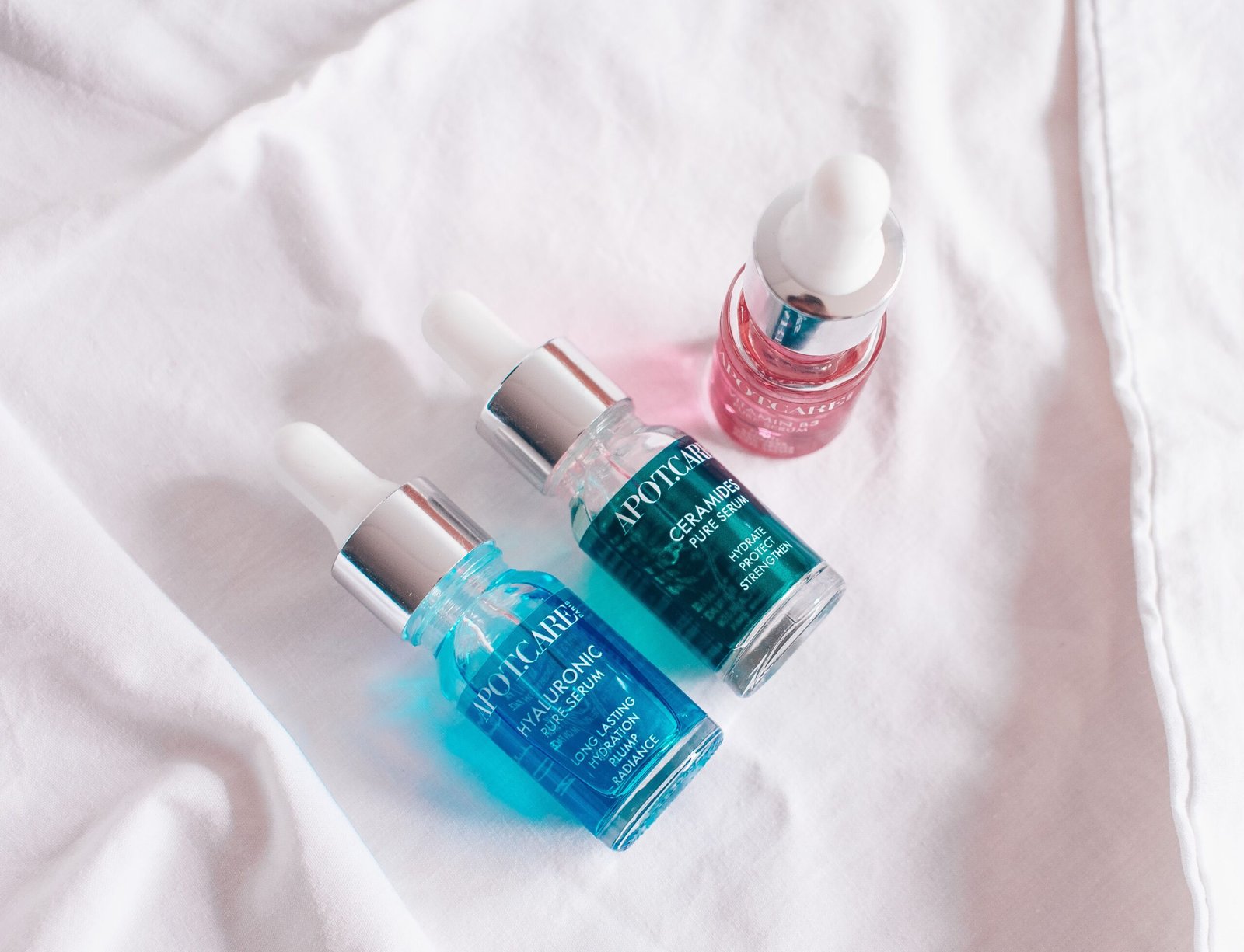
Pure serum hyaluronic acid is a topically applied concentrated formula that delivers hyaluronic acid directly to the skin in a fast-absorbing, lightweight serum base. Unlike a moisturiser that contains hyaluronic acid alongside dozens of other ingredients, a pure formula centres almost entirely on hyaluronic acid itself — typically at concentrations between one and two percent — with a minimal supporting base of water, preservatives, and perhaps a pH adjuster. Nothing unnecessary, nothing to compete with or potentially irritate alongside it.
This simplicity is both its defining characteristic and one of its greatest strengths. A pure serum can be layered into virtually any skincare routine regardless of how many other active ingredients are already in use, because there is almost nothing in it that conflicts with anything else.
The Three Types of Hyaluronic Acid — Understanding Molecular Weight
This is a detail that most general skincare content glosses over, but it is genuinely important for understanding why some pure hyaluronic acid serums perform significantly better than others.
Hyaluronic acid molecules exist in different sizes, described as molecular weights. The size of the molecule determines how deeply into the skin it can penetrate — and therefore what kind of benefit it delivers.
High molecular weight hyaluronic acid has large molecules that cannot penetrate below the surface of the skin. These molecules sit at the very top layer, forming a film that holds moisture at the surface and creates an immediately visible plumping effect. The skin looks and feels smoother almost instantly. This is the most common form found in standard moisturisers.
Low molecular weight hyaluronic acid has smaller molecules that can penetrate deeper into the dermis — the layer of skin below the surface where collagen and elastin live. By delivering hydration at this deeper level, low molecular weight hyaluronic acid supports the environment in which collagen works, contributing to longer-term improvements in elasticity and firmness rather than just surface plumping.
Hydrolysed hyaluronic acid is a form where the molecules have been broken into even smaller fragments that penetrate most deeply. This is particularly beneficial for sensitive skin types and for addressing fine lines caused by chronic dehydration in the deeper skin layers.
Sodium hyaluronate is hyaluronic acid bound with sodium, producing smaller molecules than standard hyaluronic acid that penetrate more easily and are more stable in formula. Many high-quality serums list sodium hyaluronate as their active ingredient — this is not a compromise or a substitute. It is an excellent form of hyaluronic acid with good penetration and stability.
The best pure serum hyaluronic acid formulas contain multiple molecular weights — combining the immediate surface plumping of high molecular weight forms with the deeper long-term hydration support of low molecular weight forms. When you are evaluating a serum, check whether it lists multiple forms of hyaluronic acid or sodium hyaluronate alongside standard hyaluronic acid. Multi-weight formulas consistently outperform single-weight options in both immediate and long-term results.
What Does Pure Hyaluronic Acid Serum Actually Do?
Understanding the specific benefits in detail helps you use the product more effectively and set accurate expectations for what consistent use will deliver.
Intense and immediate hydration
The most immediate and visible effect of pure serum hyaluronic acid is a significant improvement in skin hydration. Within minutes of application to damp skin, the hyaluronic acid begins drawing moisture toward the skin surface. Within hours, the skin feels measurably softer and more supple. Within the first few days of consistent use, most people notice a tangible difference in how their skin feels throughout the day — less tight, less reactive, more comfortable.
This hydration effect is not superficial in the way that a basic moisturiser is. Because high-quality pure serums deliver hyaluronic acid at multiple molecular weights, they hydrate at both the surface and deeper skin layers simultaneously, creating a more sustained and complete moisture experience than surface-only products can provide.
Visible reduction in fine lines caused by dehydration
Many fine lines — particularly the fine surface lines that appear most obviously in dry or dehydrated skin — are not actually caused by ageing. They are caused by a lack of water in the skin tissue. When the skin is consistently well-hydrated, these dehydration lines become significantly less visible or disappear entirely.
Regular use of pure hyaluronic acid serum over consistent weeks improves the appearance of fine lines that show up more noticeably on dehydrated skin. This is one of the most practically visible long-term benefits of consistent use. The skin simply looks smoother and more even when it is properly hydrated at multiple layers.
Strengthened skin barrier
The skin barrier — the outermost protective layer of the skin — is responsible for keeping moisture in and environmental aggressors out. When the barrier is compromised, skin becomes reactive, dry, sensitive, and prone to inflammation. When it is healthy and well-functioning, skin tolerates active ingredients better, recovers more quickly from environmental exposure, and maintains its natural moisture levels more efficiently.
Pure serum hyaluronic acid supports the skin barrier by ensuring the skin tissue remains adequately hydrated at the surface level where the barrier lives. A well-hydrated barrier is a more robust and effective barrier. This is particularly relevant in 2026, where the dominant skincare philosophy prioritises barrier health as the foundation of everything else.
Improved absorption of subsequent skincare products
Applying hyaluronic acid serum before other skincare products primes the skin in a way that improves how effectively those products are absorbed and work. Well-hydrated skin is more permeable in the right way — active ingredients in serums and moisturisers penetrate more deeply and perform better when the skin beneath them is properly hydrated rather than tight and dehydrated. This makes pure serum hyaluronic acid a genuinely valuable foundational step in any multi-product routine.
Plumping effect that improves skin texture
The water-holding capacity of hyaluronic acid creates a literal physical plumping of the skin cells. When skin cells are fully hydrated, they expand slightly and press against each other more firmly, creating a smoother overall surface texture. This is the mechanism behind the plump, dewy appearance that well-hydrated skin has — it is not a surface illusion but a physical change in the structure of the skin tissue driven by adequate hydration.
Universal skin type compatibility
Pure serum hyaluronic acid is appropriate for every skin type without exception — and this is genuinely unusual in skincare, where almost every active ingredient has some skin types for which it is not ideal.
Dry and dehydrated skin benefits most obviously from the intense moisture-binding action. Oily skin benefits because hyaluronic acid adds water without adding any oil — it actually helps regulate oil production by ensuring the skin’s moisture balance is maintained, reducing the over-production of sebum that often occurs when oily skin is dehydrated. Sensitive skin benefits because pure formulas contain minimal ingredients — nothing to trigger reactions. Combination skin benefits from the lightweight texture that provides hydration without heaviness. Mature skin benefits from the plumping effect that makes texture appear smoother and more even.
How to Use Pure Hyaluronic Acid Serum Correctly
The way you apply pure serum hyaluronic acid determines how effectively it performs. There is one rule that overrides all others — and getting it right makes a measurable difference to the results you experience.
Apply to damp skin — always
Hyaluronic acid is a humectant. It draws water toward itself from whatever moisture source is available. When applied to damp skin, it draws that surface moisture into the skin and holds it there, creating deep and lasting hydration. When applied to completely dry skin, it can pull water from the deeper layers of the dermis toward the surface to compensate for the lack of surface moisture — which can paradoxically leave skin feeling tighter and drier than before application.
This is the single most important practical instruction for using hyaluronic acid serum correctly. After cleansing, do not dry your face completely. Leave the skin slightly damp — not wet enough that water is dripping, but visibly moist — and apply the serum immediately to this damp surface.
Step by step application guide
Step one — cleanse your face with your regular cleanser and rinse with water.
Step two — do not use a towel to dry your face completely. If you use a toner, apply it immediately and leave the skin damp. If you do not use a toner, proceed with slightly damp skin directly from cleansing.
Step three — dispense two to three drops of pure serum hyaluronic acid onto your fingertips or directly onto the palm of your hand.
Step four — gently press the serum into your face and neck using your fingertips. Do not rub or drag — pressing motions help the serum absorb without disrupting the surface of the skin.
Step five — allow thirty to sixty seconds for the serum to absorb fully before applying any other product.
Step six — immediately apply your moisturiser. This step is essential — the moisturiser creates a seal over the hyaluronic acid and the moisture it has attracted, preventing that moisture from evaporating from the skin surface. Applying hyaluronic acid serum without following it with a moisturiser allows the moisture it has drawn to the surface to evaporate, reducing the benefit significantly.
Morning and evening use
Pure serum hyaluronic acid can be used both morning and evening as part of your regular routine. Morning use followed by moisturiser and SPF prepares the skin for the day. Evening use followed by your night moisturiser or night cream supports the skin’s overnight repair and regeneration processes, which require adequate hydration to function optimally.
If you find your skin is very reactive or you prefer to keep your routine minimal, once daily use — particularly in the evening when the skin has the longest uninterrupted time to benefit from the hydration — delivers excellent results.
How much to use
Two to three drops is sufficient for the entire face and neck. More product does not produce proportionally better results — hyaluronic acid works on the skin surface and in the upper layers, and applying excessive amounts simply results in product that cannot absorb effectively. A consistent two to three drops twice daily will outperform irregular application of larger quantities every time.
Where Does Pure Hyaluronic Acid Serum Sit in Your Skincare Routine?
Understanding the correct position of any serum in a layered routine determines how effectively it works. The general rule for skincare layering is to apply products from thinnest to thickest consistency — water-based products before oil-based products, lighter textures before heavier ones.
Pure serum hyaluronic acid is almost always the thinnest product in any routine — a lightweight water-based serum with almost no film-forming or occluding properties. This places it very early in the routine, immediately after cleansing and toning.
Complete morning routine order:
Cleanser → Toner (if used) → Pure hyaluronic acid serum → Vitamin C serum (if used, apply after HA has absorbed) → Eye cream → Moisturiser → SPF
Complete evening routine order:
Cleanser → Toner (if used) → Pure hyaluronic acid serum → Retinol or active treatment (if used, apply after HA has absorbed) → Eye cream → Night moisturiser or night cream
The positioning of hyaluronic acid before vitamin C and before retinol is deliberate. A well-hydrated skin surface tolerates active ingredients better and can benefit from them more effectively. Applying hyaluronic acid first creates a more receptive skin environment for everything that follows.
What to Pair With Pure Hyaluronic Acid Serum
Vitamin C serum
This is one of the most effective and complementary pairings in skincare. Vitamin C addresses brightening, uneven skin tone, and antioxidant protection. Hyaluronic acid addresses hydration, plumping, and barrier support. The two target completely different concerns through completely different mechanisms and work beautifully together. Apply hyaluronic acid first, allow it to absorb, then apply vitamin C.
Retinol or Retinoids
Retinol is one of the most powerful anti-ageing ingredients available, but it is also one of the most drying and potentially irritating — particularly for those new to using it. Pairing retinol with pure serum hyaluronic acid significantly improves tolerability by maintaining the skin’s hydration levels during retinol use, reducing the dryness and peeling that often characterise the adjustment period. Apply hyaluronic acid first, allow it to absorb, then apply retinol.
Niacinamide
Niacinamide addresses pores, oil control, uneven tone, and barrier function. It is compatible with hyaluronic acid at all concentrations and the two can be layered directly without any compatibility concerns. Either can go first — though applying hyaluronic acid to damp skin and following with niacinamide is the most logical sequence given the damp application requirement.
Moisturiser — non-negotiable pairing
As described in the application guide, applying a moisturiser immediately after hyaluronic acid serum is not optional. The moisturiser performs a specific sealing function that is essential to the performance of the hyaluronic acid beneath it. Without this sealing step, much of the moisture attracted by the hyaluronic acid evaporates from the skin surface rather than being retained where it is needed.
What Not to Pair With Pure Hyaluronic Acid Serum
Pure serum hyaluronic acid has almost no ingredient conflicts, which is one of its most useful qualities. However, there are a few practical considerations worth knowing.
Avoid applying directly after strong exfoliating acids without allowing the skin to settle
If you use an AHA exfoliant such as glycolic or lactic acid, or a BHA such as salicylic acid, allow the exfoliant to work for several minutes before applying hyaluronic acid serum. Applying it immediately after an acid may slightly dilute the acid’s effectiveness.
Do not apply to completely dry skin in very dry climates
In very dry environments — low humidity, dry winter air, heavily air-conditioned spaces — applying hyaluronic acid to dry skin without any surface moisture available means the humectant may draw water from deeper in the skin rather than from the air, potentially causing a feeling of tightness after application. In these conditions, apply a fine mist of water or toner before the serum to ensure adequate surface moisture is available for the hyaluronic acid to draw from.
Avoid heavy oils before hyaluronic acid
Oils applied before a water-based serum prevent the serum from making contact with the skin properly. Always apply water-based products including hyaluronic acid serum before any oil-based products.
QNAs
What is pure hyaluronic acid serum used for?
Pure serum hyaluronic acid is used to deeply hydrate the skin, reduce the appearance of fine lines caused by dehydration, improve skin texture and smoothness, strengthen the skin barrier, and improve the absorption of other skincare products applied after it.
Is pure hyaluronic acid serum good for all skin types?
Yes. Pure serum hyaluronic acid is suitable for every skin type including dry, oily, combination, sensitive, and mature skin. It adds water-based hydration without any oil content, making it appropriate even for very oily or acne-prone skin.
How do you apply pure hyaluronic acid serum correctly?
Apply two to three drops to slightly damp skin immediately after cleansing and toning. Press gently into the face and neck. Follow immediately with a moisturiser to seal in the hydration. Never apply to completely dry skin.
When should you apply hyaluronic acid serum in your routine?
Apply hyaluronic acid serum as the first serum step after cleansing and toning — before vitamin C, retinol, or any other active treatment. Always follow with moisturiser.
Can you use pure hyaluronic acid serum every day?
Yes. Pure serum hyaluronic acid can be used twice daily — morning and evening — as a consistent part of your regular skincare routine. It does not cause sensitivity, purging, or tolerance issues with regular use.
How long does it take to see results from hyaluronic acid serum?
Most people notice their skin feels softer and more comfortable within the first few uses. Visible improvements in texture and fine line appearance develop over consistent weeks of use — typically two to four weeks for noticeable texture improvement and four to six weeks for meaningful changes in the appearance of dehydration lines.
Does pure hyaluronic acid serum work for oily skin?
Yes. Oily skin still needs hydration — and when oily skin is dehydrated, it often overproduces sebum to compensate, making oiliness worse. Pure serum hyaluronic acid adds water-based hydration without any oil content, helping regulate the skin’s moisture balance and potentially reducing excessive sebum production over time.
What happens if you use hyaluronic acid serum without moisturiser?
Without a moisturiser applied immediately after, the moisture that hyaluronic acid has drawn to the skin surface can evaporate into the air rather than being retained in the skin. This can leave skin feeling similar to or even drier than before application. Always follow hyaluronic acid serum with a moisturiser.
Can you use pure hyaluronic acid serum with retinol?
Yes — and it is highly recommended. Hyaluronic acid significantly improves the tolerability of retinol by maintaining skin hydration during retinol use, reducing the dryness and irritation that often occur during the retinol adjustment period.
What percentage of hyaluronic acid should a pure serum contain?
Most effective pure serums contain between one and two percent hyaluronic acid. Higher percentages do not produce proportionally better results — at concentrations above two percent, hyaluronic acid can feel tacky on the skin without delivering additional hydration benefit.
Signs Your Skin Needs More Hyaluronic Acid
Your skin communicates its hydration needs clearly if you know what to look for. These are the most reliable indicators that your skin would benefit significantly from adding pure serum hyaluronic acid to your routine.
Fine lines that appear or worsen when your skin is dry — particularly around the eyes, forehead, and around the mouth — are one of the clearest signs of skin dehydration. These lines often disappear or become significantly less visible when the skin is consistently well-hydrated.
Skin that feels tight after cleansing — particularly if this tightness does not resolve quickly after applying moisturiser — is dehydrated rather than simply dry. Dehydration is a water deficit, while dryness is a lack of oil. Hyaluronic acid addresses the water component that moisturisers alone may not fully resolve.
Dull, lacklustre skin that lacks the natural translucency and glow associated with healthy skin is often simply dehydrated. Well-hydrated skin reflects light more evenly and appears naturally luminous. Adding pure serum hyaluronic acid often produces a noticeable improvement in this quality within the first week.
Skin that absorbs moisturiser very quickly and then still feels dry is often lacking adequate water-based hydration at the base layer. Hyaluronic acid serum applied before moisturiser creates this water-based foundation that allows the moisturiser to perform far more effectively.
How to Choose a Quality Pure Hyaluronic Acid Serum
With hundreds of options available, knowing what to look for prevents wasted money and ensures results.
Check for multiple molecular weights. The label or ingredient list should ideally reference both hyaluronic acid and sodium hyaluronate — or list multiple sizes of hyaluronic acid. Multi-molecular weight formulas deliver both surface and deeper layer hydration simultaneously.
Look for a minimal ingredient list. A truly pure serum should contain hyaluronic acid or sodium hyaluronate as the primary active ingredient, with a simple supporting base. Avoid formulas with long lists of potentially sensitising additives, heavy fragrances, or alcohol high on the ingredient list.
Check the concentration. One to two percent is the effective range. Serums that do not disclose their concentration should be approached with less confidence than those that are transparent about their formula.
Choose fragrance-free for sensitive skin. Pure formulas are by definition minimal — fragrance is unnecessary and adds potential irritation without any skincare benefit.
Consider texture based on your skin type. Lighter, more watery textures absorb most quickly and suit oily and combination skin. Slightly more gel-like textures provide slightly more surface film and suit normal to dry skin. Very rich gel textures suit dry and mature skin.
Final Thoughts
Pure serum hyaluronic acid is one of the most universally beneficial and genuinely effective skincare ingredients available in 2026. Its ability to deliver deep, multi-layer hydration to every skin type, support the skin barrier, visibly improve texture and fine lines, and enhance the performance of every other product in a routine makes it one of the most valuable additions to any skincare shelf regardless of age, skin type, or concern.
The science is clear. The results are consistent. The application is simple. And the compatibility with virtually every other skincare ingredient makes it one of the few products that fits seamlessly into any routine at any stage of skincare development.
Apply it to damp skin. Follow it with moisturiser. Use it consistently. Those three principles are all that stand between you and skin that looks and feels genuinely, lastingly hydrated.