Your eyebrows do more for your face than almost any other single feature. They frame your eyes, define your expressions, and shape how other people perceive your proportions at a glance. A well-chosen brow shape can make a round face appear longer and more angular, soften a strong jawline, balance a wide forehead, and open up eyes that feel heavy or tired. Choosing the wrong shape can do the exact opposite of all of those things — and yet most people either follow whatever brow trend is currently popular or simply maintain what they already have without ever asking whether it is actually working for their specific features.
This complete guide to eyebrow shapes covers everything — how to identify your face shape at home, which specific brow styles work best for each face type, the most influential shapes trending in 2026, how brow mapping works, the common mistakes that are quietly ruining otherwise great brows, and practical tips for maintaining beautiful eyebrows between professional appointments. By the end of this guide, you will have a clear and personalised understanding of exactly which eyebrow shapes suit your face — and the knowledge to achieve them.
Why Your Eyebrow Shape Matters More Than You Think
Most people underestimate how dramatically eyebrow shapes affect the overall impression of a face. Small adjustments in arch height, thickness, length, and tail direction can completely change how your features read — making your face appear more balanced, more open, more defined, or more youthful depending on the changes made.
The relationship between brow shape and facial proportion works through a simple principle — eyebrows create visual lines, and those lines guide the eye either horizontally across the face or vertically up and down it. Horizontal lines add width. Vertical lines add length. Understanding which direction your face needs visual emphasis is the foundation of choosing eyebrow shapes that genuinely flatter your specific features rather than working against them.
In 2026, the dominant direction in brow aesthetics has shifted decisively away from the heavy, overly defined, dramatic brows of recent years and toward shapes that feel personal, natural, and proportionate. The most celebrated eyebrow shapes right now are the ones that enhance what you already have rather than imposing a different identity onto your face. This shift makes understanding your own face shape and natural brow growth pattern more important than ever — because working with your natural features is the entire point.
How to Identify Your Face Shape at Home
Before choosing the right eyebrow shapes, you need to know which face shape you actually have. Most people guess based on a general impression rather than measuring, and guessing often leads to the wrong conclusion. A simple home measurement takes less than five minutes and gives you reliable information to work with.
You need a flexible tape measure or a ruler and a mirror.
Measure four things. First, your forehead width — measure across the widest point, which is typically just above the eyebrows. Second, your cheekbone width — measure across your face at the highest point of your cheekbones. Third, your jawline width — measure from the corner of your jaw just below your ear to the tip of your chin, then double that number. Fourth, your face length — measure from the centre of your hairline straight down to the bottom of your chin.
Compare these four measurements and match them to the descriptions below.
Oval: Cheekbones are the widest point, forehead is slightly narrower, jaw narrows gently, face length is about one and a half times the width. Proportions are naturally balanced.
Round: Width and length are nearly equal. Cheekbones are the widest point but the difference between measurements is small. Features appear soft and curved rather than angular.
Square: Forehead, cheekbones, and jaw measurements are all similar in width. Jawline is strong and angular rather than rounded.
Heart: Forehead is the widest measurement. Cheekbones are narrower than the forehead. Jaw narrows to a pointed chin.
Diamond: Cheekbones are the widest measurement by a significant margin. Forehead and jaw are both narrower and roughly similar to each other.
Oblong or Long: Face length is significantly greater than face width. All three horizontal measurements — forehead, cheekbones, jaw — are roughly similar, giving the face a long, straight-sided appearance.
The Best Eyebrow Shapes for Every Face Shape
Oval Face — The Most Flexible Face Shape
Oval faces have naturally balanced proportions — the cheekbones are the widest point, the forehead narrows gently, and the jaw tapers smoothly to the chin. Because the proportions are already working in your favour, almost any eyebrow shape can work on an oval face without creating imbalance.
The most flattering choice is a soft, gently angled arch with a subtle peak positioned at the natural high point of your brow bone. This shape mirrors the natural balance of your features without adding unnecessary drama or competing with the face’s existing harmony.
Best eyebrow shapes: Soft angled arch, gentle natural brow, lightly curved brow, soft straight brow with minimal arch
Avoid: Extremely high dramatic arches that can elongate an already balanced face, and very flat completely horizontal brows that can make the face appear heavier than it is
Practical tip: Because oval faces are forgiving, the focus should be on achieving excellent grooming and natural-looking fill rather than dramatically reshaping. Your natural brow line is very likely close to the most flattering shape already — clean it up and enhance what is there rather than starting from scratch.
Round Face — Create Length with a High Arch
Round faces have width and length that are nearly equal, with soft rounded features and full cheeks. The eyebrow shape goal for a round face is to add vertical movement that creates the illusion of length and introduces angular structure to counterbalance the softness of the face.
A high, defined arch is the most effective choice. The vertical line created by a well-placed arch peak draws the eye upward, elongating the face visually and creating the impression of more angular structure around the eyes.
Best eyebrow shapes: High arched brow with a defined peak, angular brow with a clear high point, slightly extended tail that moves outward and slightly upward
Avoid: Rounded brow shapes that echo the circular quality of the face and make it appear even more so. Flat, horizontal brows that emphasise width rather than creating the vertical movement the face needs.
Practical tip: The peak of the arch should sit slightly toward the outer third of the brow rather than directly above the centre of the eye. This outward placement creates a lifting and elongating effect that is particularly flattering on round faces.
Square Face — Soften Angles with Gentle Curves
Square faces have strong, angular jawlines and roughly equal measurements across the forehead, cheekbones, and jaw. The eyebrow shape goal for a square face is to introduce softness and curves that counterbalance the strong angular structure of the jaw and temple areas.
A softly curved brow with a gentle natural arch is the most effective choice. The curve introduces a softer visual line that contrasts with the defined angles of the face without competing with or emphasising them.
Best eyebrow shapes: Softly curved brow with a gentle arch, rounded arch with a smooth peak, lightly angled brow without any sharp or dramatic peaks
Avoid: Very angular or sharply peaked brows that mirror the jawline and make the face appear more severe. Completely flat horizontal brows that add to the sense of width and visual weight at the top of the face.
Practical tip: Pay particular attention to the tail of the brow. A tail that drifts gently outward and very slightly upward creates a subtle lifting effect that is very flattering on square faces. Avoid letting the tail drop sharply downward — it adds visual weight to the sides of the face.
Heart Face — Balance the Forehead with Low Arches
Heart-shaped faces have a wide forehead as their widest point, prominent cheekbones, and a narrow chin. The eyebrow shape goal for a heart face is to minimise the visual dominance of the wide forehead and draw attention toward the centre and lower portion of the face.
A low, gently rounded arch achieves this by keeping the brow line from adding extra height or dramatic angles at the top of the face. The rounded quality softens the forehead area rather than framing it with angular lines that would draw even more attention to it.
Best eyebrow shapes: Low arch with a gentle rounded peak, soft natural brow with minimal peak height, lightly curved brow that stays relatively close to the brow bone
Avoid: High arched brows that make the forehead appear even wider and more dominant. Very thick or dense brows at the inner corners that draw attention to the top of the face. Sharp angular peaks that add drama to an area that benefits from softness.
Practical tip: Keeping the brow moderately full throughout its length — rather than tapering too aggressively from a thick inner corner to a very thin tail — creates a more horizontal balance that prevents the forehead from dominating the overall impression of the face.
Diamond Face — Add Width with Full Curved Brows
Diamond faces have narrow foreheads and narrow chins, with the widest point sitting at the cheekbones. The eyebrow shape goal for a diamond face is to add visual width at the top of the face and soften the angular cheekbones that dominate the facial structure.
Full, gently curved brows that extend slightly outward at the tail achieve this by adding width and softness where the face naturally lacks it. The fullness of the brow gives the impression of a wider forehead, which balances the prominent cheekbones below.
Best eyebrow shapes: Full brow with a gentle natural curve, slightly wider brow that extends outward at the tail, softly arched brow with good density throughout
Avoid: Thin or over-tweezed brows that make the forehead appear even narrower. Very sharp or angular peaks that emphasise the angularity of the cheekbones rather than softening it.
Practical tip: Avoid tapering the inner corner of the brow too aggressively. Adding a little extra fullness at the start of each brow — at the inner corner — creates the impression of a slightly wider forehead that beautifully balances the cheekbones below.
Oblong or Long Face — Add Width with Flat Horizontal Brows
Oblong or long faces have a face length that is significantly greater than the face width, with relatively straight sides and similar measurements across the forehead, cheekbones, and jaw. The eyebrow shape goal for a long face is to add perceived width and break up the vertical dominance of the face shape.
Flat, straight brows with minimal arch are the most effective choice. They create horizontal lines that add width and interrupt the vertical length of the face — the opposite of what works for round faces, and for exactly the same reason.
Best eyebrow shapes: Flat straight brow with very minimal arch, horizontal brow, slightly extended tail that moves outward rather than upward
Avoid: High arched brows that add more vertical length to an already long face. Very short brows that leave the sides of the forehead empty and emphasise its height. Brows that turn sharply upward at the arch — any upward movement in the brow adds length.
Practical tip: Extending the tail of the brow slightly outward past the outer corner of the eye creates a horizontal widening effect that is one of the most flattering adjustments possible on a long face. Keep the arch as low and horizontal as possible throughout.
Understanding Brow Mapping
Brow mapping is a professional technique used by brow artists to find the precise start, arch peak, and tail end of the most flattering brow shape for each individual client. It is based on facial landmarks and the principle of the golden ratio — using the proportions of your own face to determine where each part of the brow should sit.
You can apply a simplified version at home using a straight pencil or ruler to find three key points.
To find the brow start, hold the pencil vertically alongside your nostril. Where it intersects your brow bone on the same side of your face is where your brow should begin. Brows that start too far inward create a furrowed, heavy expression. Brows that start too far outward create gaps that make the face appear wider than it is.
To find the arch peak, angle the pencil from your nostril so that it passes over the outer edge of your iris when you are looking straight ahead. Where it intersects your brow bone is the ideal position for your arch peak. This placement is customised to your eye position and facial proportions rather than being a fixed location.
To find the tail end, angle the pencil from your nostril to the outer corner of your eye. Where it intersects your brow bone is where your brow tail should end. Brows that end too short make the eyes appear closer together and the face wider. Brows that extend too far past this point create a heavy, drooping effect.
These three points give you a personalised framework that works specifically with your proportions. Grooming, filling, and shaping decisions become significantly easier once you have identified all three clearly.
The Most Influential Eyebrow Shapes of 2026
The Gentle Brow — The Dominant Trend of the Year
The single most influential eyebrow shape of 2026 is the gentle brow — a soft, naturally following shape that traces the natural brow bone without sharp angles, dramatic peaks, or heavily defined lines. Instead of sharp angles or overly defined structure, this look uses a soft curve that follows the natural movement of the brow bone.
The gentle brow reflects the broader shift in 2026 beauty toward authenticity and natural enhancement. Rather than using brows as a dramatic makeup element, the gentle brow approach treats them as a natural feature that benefits from refinement rather than reinvention.
How to achieve it: Clean up stray hairs below the natural brow line only. Avoid removing hair from above the brow. Fill sparse areas using a fine-tip brow pencil with short feathery strokes that mimic individual hairs. Set with a clear brow gel that holds hairs in their natural direction.
The Feathered Natural Brow
Full, fluffy, textured brows that appear completely natural and almost entirely ungroomed continue to be among the most popular eyebrow shapes in 2026. The feathered brow celebrates the natural growth pattern and hair texture of the brow rather than imposing structure through heavy makeup application.
How to achieve it: Brush all brow hairs upward with a clean spoolie. Apply a clear or very lightly tinted brow gel to hold them in the upward position. Fill only genuinely sparse areas using short upward strokes with a very fine pencil. The goal is textured fullness that looks like you were simply born with great brows.
The Soft Straight Brow — Youthful and Modern
The soft straight brow features a minimal arch and a relatively horizontal line that creates a youthful, modern, and approachable appearance. This shape has roots in East Asian beauty aesthetics and has spread globally in 2026, celebrated for the fresh and relaxed quality it brings to the face.
How to achieve it: Fill the brow in a gently horizontal line with very minimal arch height. Keep the inner and outer portions at roughly the same height. Use a brow product one shade lighter than your natural hair colour — a softer shade prevents the straightness from appearing harsh or drawn-on.
The Laminated Arch — Structured Volume
Brow lamination is one of the most popular professional brow treatments of 2026, and the laminated arch is the shape most associated with it. The treatment sets brow hairs in an upward, forward-brushed direction that creates impressive volume and structured fullness without the need for heavy makeup.
How to achieve it: Professional brow lamination is the most effective method. At home, the soap brow technique — using a clean spoolie and clear bar soap to brush hairs upward and forward — creates a similar effect that lasts through the day.
The Classic Defined Arch
The classic defined arch — a clean, well-structured brow with a clear peak and a gradual taper to a pointed tail — remains a consistently popular shape because of its polished versatility. It works across a wide range of face shapes and occasions and has never truly gone out of style.
How to achieve it: Define the arch peak clearly using a brow pencil or pomade. Keep the line precise and clean along the bottom edge of the arch. Fill sparse areas with short pencil strokes. Set with a clear or lightly tinted brow gel for lasting hold.
The Boy Beat Brow — Minimal Intervention
Named after the minimal makeup philosophy that celebrates natural features over heavy coverage, the Boy Beat brow prioritises health and density over sculpting. It follows the brow’s natural shape and thickness with almost no interference beyond basic grooming and light definition.
How to achieve it: Tweeze only genuine stray hairs — those that fall well outside the natural brow shape. Use a tinted brow gel to add definition and set without adding obvious coverage. Less is genuinely more with this approach — the goal is brows that look naturally excellent rather than visibly done.
The Coloured or Tinted Brow — The Fashion-Forward Statement
For those who approach their face as a canvas for creative expression, coloured brows are the most fashion-forward eyebrow shapes trend of 2026. Brows bleached to pale blonde and then toned with subtle pastel shades — soft pink, lavender, warm taupe — create an otherworldly and artistic effect that sits at the intersection of beauty and fashion.
How to achieve it: This approach requires either professional help or very careful research before attempting at home. Brow bleaching involves chemicals and should be approached cautiously. Once bleached, coloured brow mascara or tinted pomades in pastel shades can be applied and removed daily without permanent commitment.
Common Eyebrow Shaping Mistakes to Avoid
Over-tweezing: This is the single most common brow mistake and the hardest to recover from because brow hairs that have been over-tweezed for years sometimes stop growing back entirely. Tweeze conservatively — only remove hairs that are clearly outside the natural brow shape.
Using magnifying mirrors: Magnifying mirrors create a false sense of how much hair needs to be removed. What looks like an obvious stray hair under magnification often disappears entirely at normal viewing distance. Use a regular mirror in good natural lighting for brow grooming.
Going too dark with brow products: Brow product that is significantly darker than your natural hair colour creates an artificial, drawn-on appearance. Match the product to your natural brow hair colour — or go one shade lighter for a more natural finish. Going darker than your natural shade is one of the most common reasons brows look fake rather than enhanced.
Following trends that do not suit your face shape: The most popular brow shape in 2026 may genuinely not be the most flattering shape for your specific face. Use trend information as inspiration but always filter it through the lens of what actually works for your own proportions.
Ignoring natural growth direction: Trying to fill brows in a direction that fights the natural growth pattern of your brow hairs creates an unnatural appearance that is immediately obvious. Work with the direction your hairs naturally grow rather than against it.
Making both brows identical: Eyebrows are sisters, not twins — slight natural asymmetry is normal and beautiful. Trying to make them perfectly matching can lead to over-grooming one side or under-grooming the other. Aim for visual balance rather than mathematical symmetry.
How to Maintain Great Eyebrows at Home
Grooming frequency: Tweeze stray hairs every seven to ten days for most people. Grooming too frequently leads to over-tweezing because it is difficult to see the overall shape clearly when you are working on it constantly.
Fill with light strokes: Brow pencils and fine-tip brow products should be applied with short, light strokes that mimic individual hairs rather than dragged in a solid block of colour. Short strokes in the direction of natural hair growth create a genuinely natural appearance.
Always brush before filling: Use a clean spoolie to brush all brow hairs into their natural position before applying any product. This gives you an accurate picture of what you are working with and ensures the product goes on in the right direction.
Set with brow gel: A clear or tinted brow gel sets your groomed and filled brows in place throughout the day. Apply it as the final step by brushing through the brow in the direction of natural hair growth.
Condition your brows: Just as scalp hair benefits from conditioning, brow hairs benefit from regular application of nourishing oils. Castor oil applied to the brows each evening before bed has been used for generations to support brow density and health. Apply a very small amount with a clean spoolie and leave overnight.
Step back regularly: When grooming your brows, step back from the mirror frequently to assess the overall shape at normal viewing distance rather than making all your decisions from very close up. The view from two feet away is the view that matters.
Professional Brow Treatments Worth Knowing
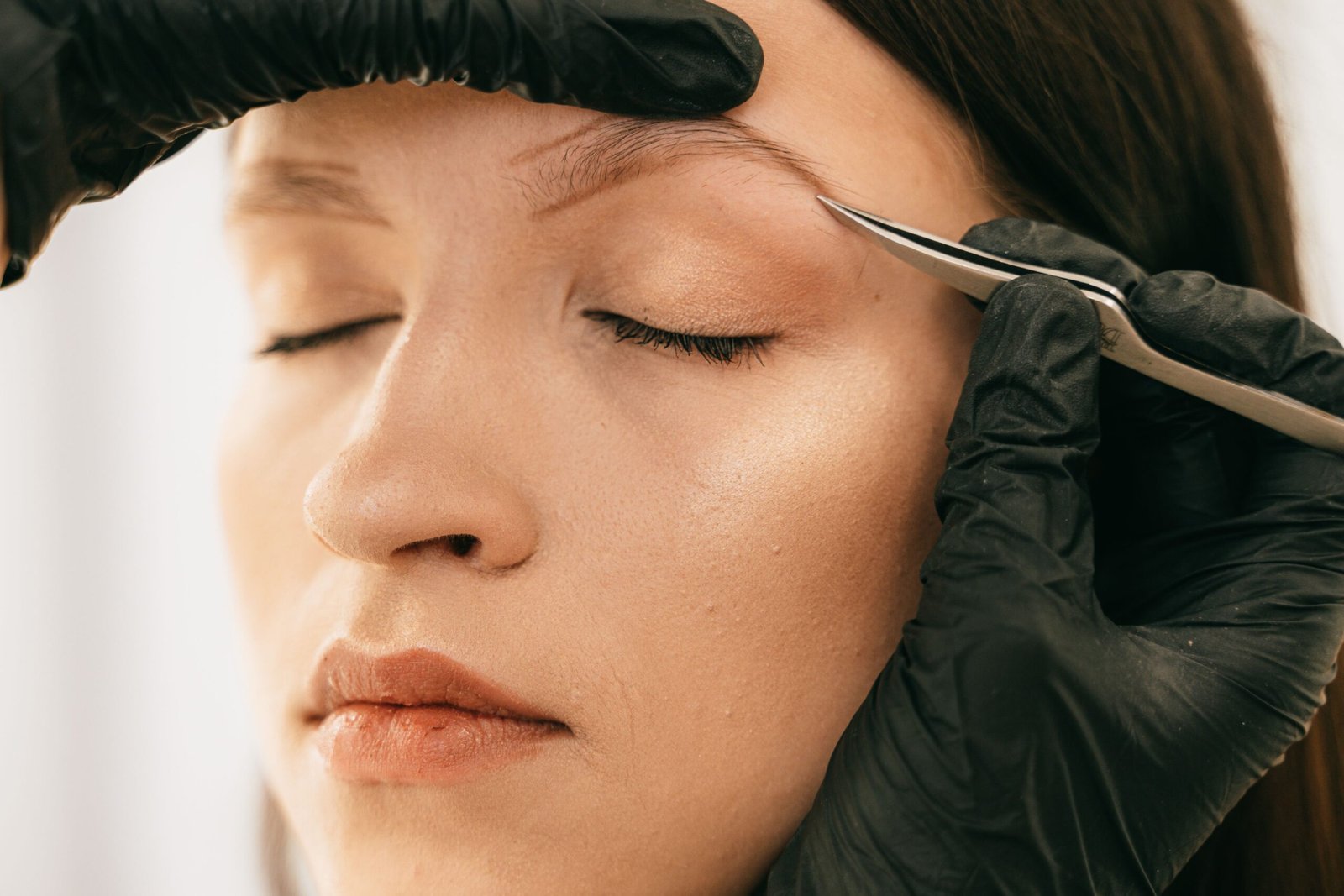
Brow threading: Uses a twisted thread to remove hairs precisely and at the follicle level. Produces very clean, precise lines with results that typically last three to five weeks. A good option for people who want clean definition without waxing.
Brow waxing: Removes multiple hairs simultaneously with warm wax, producing clean lines quickly. Results last three to five weeks. Slightly less precise than threading for very detailed shaping work.
Brow lamination: A chemical treatment that sets brow hairs in an upward, brushed-forward direction for six to eight weeks. Creates impressive volume and structure without adding colour. Very popular in 2026 and suitable for most brow types.
Microblading: A semi-permanent technique that deposits pigment into the skin using a fine blade to create the appearance of individual brow hairs. Results last one to two years. Best for people with sparse brows who want long-term fullness and shape.
Ombre powder brows: A semi-permanent technique that creates a soft, powdered colour effect across the brow. More subtle than microblading with a makeup-like finish. Results last one to two years and suit people who regularly fill their brows with powder products.
Brow tinting: Dyes brow hairs a darker shade to add definition and make sparse hairs more visible. Results last three to five weeks. A simple and low-risk way to make a significant difference to brow appearance without any shaping.
Final Thoughts
Eyebrow shapes are one of the most powerful tools available in beauty — capable of genuinely transforming the apparent proportions of a face with surprisingly small adjustments. Understanding which shapes work for your specific face type, learning the basic principles of brow mapping, and developing a simple consistent maintenance routine are the three things that separate great brows from average ones.
The 2026 direction in eyebrow shapes is one that works in your favour regardless of your natural brow type — it rewards working with what you have, enhancing natural growth, and choosing shapes that complement your features rather than fighting against them. That approach produces eyebrow shapes that look effortlessly good every day rather than requiring constant effort to maintain a dramatic look that only works in certain conditions.
Know your face shape. Work with your natural brow. Choose the shape that balances your proportions. Maintain it consistently. Those four principles will give you great eyebrows for life.