A straighter smile can improve both appearance and oral function, but many people hesitate to get orthodontic treatment because they do not want highly visible metal braces. Clear braces offer a discreet alternative by using tooth-colored or transparent ceramic brackets that blend more naturally with the teeth.
Although they are less noticeable than traditional metal braces, clear braces still work using the same basic orthodontic principle: controlled pressure gradually moves teeth into better positions. They can be used to address several common alignment and bite problems, making them an appealing option for teenagers and adults.
If you are considering clear braces, understanding how they work, their advantages and disadvantages, maintenance requirements, and how they compare with clear aligners can help you make a more informed decision.
What Are Clear Braces?
Clear braces are fixed orthodontic appliances that use ceramic or tooth-colored brackets instead of conventional metal brackets. The brackets are bonded to the front surfaces of the teeth and connected with orthodontic wires that guide the teeth into their planned positions.
According to the American Association of Orthodontists (AAO), ceramic braces are designed to provide a more discreet appearance while functioning similarly to traditional braces.
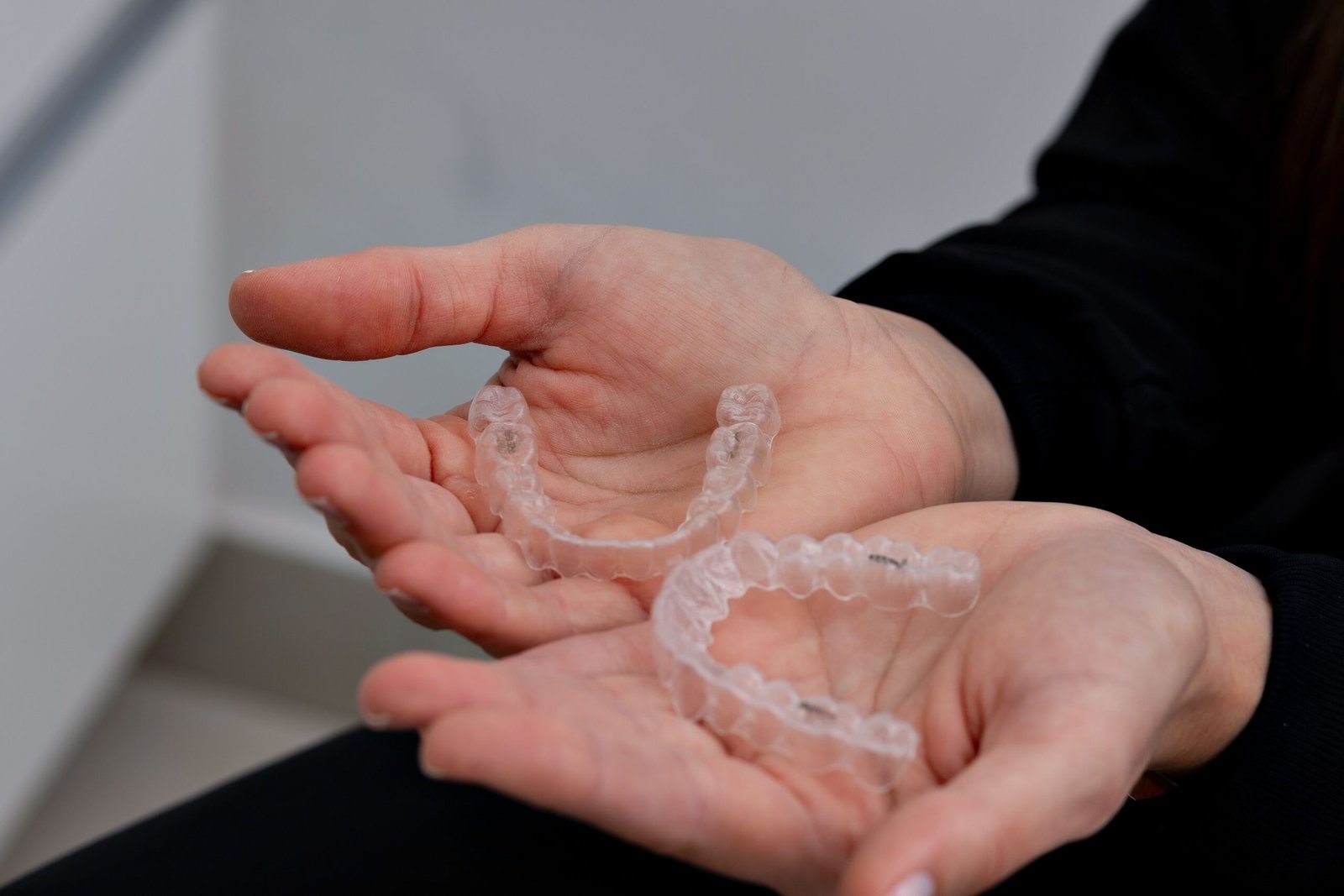
It is important to note that clear braces are not the same as clear aligners. Clear braces remain attached to your teeth throughout treatment, while clear aligners are removable transparent trays.
How Do Clear Braces Work?
Clear braces work through gradual, controlled tooth movement.
During an orthodontic consultation, your orthodontist evaluates your teeth, bite, jaw relationship, and overall oral health. They then create a treatment plan based on the movements required.
Ceramic brackets are bonded to the teeth, and an orthodontic wire connects the brackets. Over time, the wire applies carefully planned forces that encourage teeth to move into more desirable positions.
Clear braces can be used to treat problems such as:
- Crooked teeth
- Crowding
- Gaps between teeth
- Overbites
- Underbites
- Crossbites
- Certain other bite and alignment problems
The exact treatment approach depends on the individual’s orthodontic needs.
Benefits of Clear Braces
1. They Are Less Noticeable
The biggest advantage of clear braces is their appearance. Ceramic brackets are designed to blend with the natural color of teeth, making them considerably less conspicuous than traditional metal brackets.
This can be particularly appealing to adults and teenagers who want orthodontic treatment without drawing as much attention to their braces.
2. They Can Treat Many Orthodontic Problems
Clear braces are not simply cosmetic accessories. Like traditional braces, they can be used to correct a wide range of alignment and bite problems.
Cleveland Clinic notes that clear ceramic braces can address issues including crooked and crowded teeth, gaps, overbites, underbites, crossbites, and open bites.
3. They Stay in Place
Unlike removable aligners, clear braces remain attached to your teeth. This means you do not have to remember to put them back in after meals or worry about accidentally losing them.
For patients who may struggle with consistently wearing removable appliances, fixed braces can offer an advantage.
4. They Can Support Better Oral Function
Correcting significant tooth or bite misalignment is about more than appearance. Proper orthodontic treatment can improve the relationship between the teeth and jaws and make teeth easier to clean.
The AAO explains that orthodontic treatment can contribute to better oral function and make maintaining oral hygiene easier when teeth are properly aligned.
Are Clear Braces as Effective as Metal Braces?
In many cases, yes. Clear ceramic braces can be an effective alternative to metal braces, although the ideal appliance depends on the patient’s specific orthodontic problem.
Cleveland Clinic states that clear braces can be just as effective as traditional braces, although ceramic brackets may be more fragile and treatment can sometimes take slightly longer.
Your orthodontist should determine which type of appliance is appropriate rather than choosing solely based on appearance.
Clear Braces vs. Clear Aligners
The terms “clear braces” and “invisible braces” are sometimes used interchangeably, but they can refer to different treatments.
| Feature | Clear Braces | Clear Aligners |
|---|---|---|
| Material | Ceramic/tooth-colored brackets and wires | Transparent plastic-like trays |
| Removable | No | Yes |
| Appearance | Discreet | Very difficult to see |
| Eating | Food restrictions may apply | Removed while eating |
| Cleaning | Requires careful cleaning around brackets | Teeth can be brushed normally after removal |
| Compliance | Fixed to teeth | Must be worn as prescribed |
| Suitable cases | Broad range of cases | Certain cases, depending on complexity |
The AAO notes that clear aligners are removable and often worn for at least 22 hours per day, while braces remain attached throughout treatment.
Neither option is automatically better for everyone. Diagnosis and treatment complexity should guide the decision.
How Long Do Clear Braces Take?
Treatment time varies considerably from person to person. Factors can include the severity of crowding or spacing, bite problems, tooth movement required, age, oral health, and how closely the patient follows the orthodontist’s instructions.
Some patients may complete treatment relatively quickly, while more complicated cases can require considerably longer.
Rather than relying on a generic treatment timeline, ask your orthodontist for an estimate based on your individual treatment plan.
How to Care for Clear Braces
Good oral hygiene is particularly important while wearing fixed braces because food particles and plaque can collect around brackets and wires.
Follow these habits:
Brush Carefully
Brush your teeth regularly, paying special attention to the areas around brackets and along the gumline.
Floss Daily
Use appropriate flossing tools recommended by your dental professional to clean between teeth and around orthodontic appliances.
Avoid Hard and Sticky Foods
Hard, crunchy, and sticky foods can damage or dislodge ceramic brackets. The AAO recommends avoiding foods that can break brackets or damage orthodontic appliances.
Watch Foods and Drinks That Can Stain
Ceramic brackets themselves are designed to be discreet, but some components used with clear braces can be susceptible to staining. Coffee, tea, red wine, tomato-based foods, and smoking can contribute to discoloration.
Cleveland Clinic specifically recommends limiting strongly colored foods and drinks and maintaining good oral hygiene to reduce staining.
Keep Your Orthodontic Appointments
Regular appointments allow your orthodontist to monitor tooth movement and make necessary adjustments. Contact the orthodontic office if a bracket breaks or a wire becomes uncomfortable.
Are Clear Braces Worth It?
For people who want fixed orthodontic treatment but prefer a less noticeable appearance, clear braces can be an attractive option.
They combine many of the capabilities of conventional braces with a more discreet design. However, they may cost more than metal braces and can be more susceptible to breakage.
The best choice ultimately depends on your orthodontic diagnosis, lifestyle, budget, and cosmetic preferences.
Frequently Asked Questions About Clear Braces
Are clear braces completely invisible?
No. Clear braces are less noticeable, but they are not completely invisible. Ceramic brackets blend with the teeth, while the orthodontic wire and other components may still be visible.
Do clear braces stain?
The ceramic brackets themselves are relatively resistant to discoloration, but clear or tooth-colored elastic components can stain. Limiting strongly colored foods and drinks and maintaining excellent oral hygiene can help.
Are clear braces better than metal braces?
Not necessarily. Clear braces offer a cosmetic advantage, but metal braces may be stronger and can be preferred for certain cases. Your orthodontist can recommend the most suitable option.
Can adults get clear braces?
Yes. Clear braces are commonly available for adults as well as teenagers. However, eligibility depends on oral health and the orthodontic problem being treated.
Are clear braces painful?
You may experience temporary tenderness or discomfort after braces are placed or adjusted. This generally improves as your mouth adapts. Your orthodontist can advise you about managing discomfort.
Can I eat normally with clear braces?
You can eat many foods, but hard, sticky, crunchy, and chewy foods should generally be avoided because they can damage orthodontic appliances. Follow the specific dietary advice from your orthodontist.
Are clear braces the same as Invisalign?
No. Clear braces use ceramic brackets and wires and are fixed to the teeth. Invisalign is a brand of clear aligner treatment, which uses removable transparent trays. Clear aligners and clear braces have different advantages and limitations.
Final Thoughts
Clear braces provide a discreet way to straighten teeth while retaining the advantages of fixed orthodontic treatment. Their tooth-colored ceramic brackets make them less noticeable than traditional metal braces, while their fixed design allows orthodontists to address a broad range of alignment and bite concerns.
However, appearance should not be the only consideration. Treatment suitability, oral health, expected results, maintenance, cost, and treatment complexity all matter. An in-person evaluation with a qualified orthodontist is the best way to determine whether clear braces, metal braces, clear aligners, or another approach is appropriate for you.
With proper care and professional monitoring, clear braces can be an effective part of a carefully planned journey toward a healthier, more confident smile.