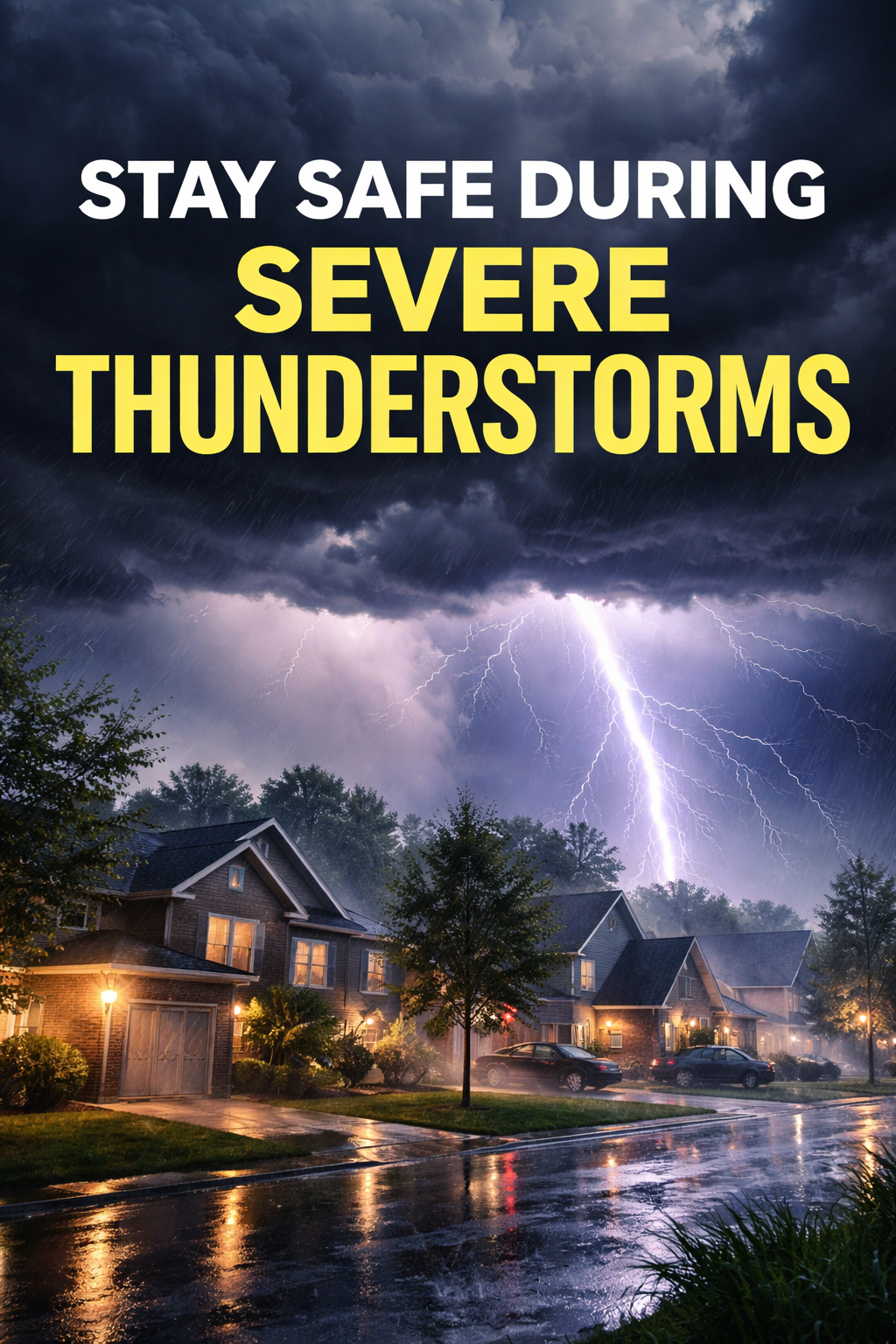
Severe thunderstorms in South Carolina can form quickly and bring heavy rain, strong winds, and lightning. Stay prepared by following weather alerts, keeping an emergency kit ready, and securing your home. During the storm, stay indoors away from windows, and after it passes, check for damage carefully. Being prepared helps keep you safe.
Severe thunderstorms can roll across South Carolina with little warning, transforming a sunny day into chaos within minutes. The state’s warm climate and unique geography create the perfect conditions for these intense weather events. When multiple severe thunderstorm alerts are issued for South Carolina counties, it’s crucial to be prepared and know how to stay safe.
Understanding what causes these storms is essential in recognizing their potential dangers. But don’t worry—being informed doesn’t have to be overwhelming. From knowing what steps to take before the storm strikes to ensuring your safety during its fury, this guide will equip you with everything you need to navigate severe thunderstorms effectively. Stay alert and read on as we dive into tips that could make all the difference when those dark clouds gather on the horizon!
What Causes Severe Thunderstorms?
Severe thunderstorms form when warm, moist air rises rapidly in an unstable atmosphere. This process creates towering cumulonimbus clouds that can lead to intense storms.
Humidity plays a key role. When the moisture-laden air meets cooler temperatures at higher altitudes, it condenses into water droplets or ice crystals. This transformation releases energy and fuels the storm’s development.
Wind patterns are another crucial factor. Strong winds aloft can tilt these towering clouds, allowing them to sustain themselves longer and become more severe.
Additionally, certain geographic features like mountains or valleys can influence local weather patterns, intensifying thunderstorms in specific areas of South Carolina.
When conditions align perfectly—warmth, humidity, wind shear—the stage is set for powerful storms capable of producing hail, lightning, heavy rain, and even tornadoes. Understanding these elements helps residents prepare for multiple severe thunderstorm alerts issued for South Carolina counties.
Understanding Weather Alerts and Warnings
Weather alerts and warnings are critical tools for keeping residents informed during severe thunderstorms. In South Carolina, the National Weather Service issues these advisories based on specific criteria.
A weather watch indicates that conditions are favorable for severe storms but does not guarantee their occurrence. It’s a heads-up to stay alert.
On the other hand, a warning means that severe weather is imminent or happening in your area. This is when action becomes necessary; don’t ignore it.
Familiarizing yourself with local terminology can make all the difference. Many counties use different systems to communicate risk levels effectively.
Remember to check trusted sources like NOAA Weather Radio or local news stations for real-time updates. Being proactive can safeguard you and your loved ones from unexpected dangers associated with multiple severe thunderstorm alerts issued for South Carolina counties.
Preparing for a Severe Thunderstorm: Tips and Checklist
When severe thunderstorm alerts are issued for South Carolina counties, preparation is key. Start by assembling an emergency kit. Include essentials like water, non-perishable food, medications, and a flashlight with extra batteries.
Next, secure your home. Check windows and doors to ensure they’re tightly closed. Bring in outdoor furniture or decorations that could become projectiles in strong winds.
Stay informed by having a battery-powered weather radio on hand. This will keep you updated if the power goes out during the storm.
Create a communication plan with family members so everyone knows how to reach each other should conditions worsen unexpectedly.
Review your insurance policies to understand what’s covered after severe weather events. Being prepared can significantly reduce stress when multiple severe thunderstorm alerts are issued for South Carolina counties.
During the Storm: Steps to Take for Safety
When multiple severe thunderstorm alerts are issued for South Carolina counties, it’s crucial to stay alert and safe. First, find a secure location indoors. Basements or interior rooms away from windows are ideal.
Avoid standing near windows or doors during the storm. Flying debris can cause serious injuries. Stay clear of metal objects; they can conduct electricity if lightning strikes nearby.
Have your phone charged and keep it within reach for updates on weather conditions. Use a battery-powered radio if possible to listen for emergency broadcasts.
Gather essential supplies: water, snacks, flashlights, and a first-aid kit should be easily accessible. If power goes out, you’ll need these items handy.
If you’re driving when the storm hits, pull over safely and wait until visibility improves before continuing your journey. Always prioritize safety over speed in such situations—your well-being is what matters most right now.
What to Do After a Severe Thunderstorm
After a severe thunderstorm passes, safety remains a priority. First, assess your surroundings. Look for downed trees, power lines, or flooding. If you notice any hazards, maintain a safe distance.
Next, check on family and neighbors. Ensure everyone is okay and offer help if needed. Community support can make recovery easier during these times.
If your home has suffered damage, take photos for insurance claims before making repairs. Document everything meticulously to streamline the process later.
Stay tuned to local news updates for additional weather alerts or information about restoration efforts in your area. This will keep you informed on community resources available for recovery.
Be cautious with electrical appliances that may have been affected by water or outages; they could pose risks if used prematurely. Wait until professionals confirm it’s safe to use them again before plugging anything back in—safety first!
Conclusion:
Severe thunderstorms can strike unexpectedly in South Carolina, bringing fierce winds, heavy rain, and the potential for hazardous conditions. Being prepared is key to ensuring your safety during these weather events. Always stay informed by monitoring local news and weather updates when multiple severe thunderstorm alerts are issued for South Carolina counties.
Have a plan in place that includes emergency contacts and designated safe spaces within your home or community. Ensure you have essential supplies ready, such as water, flashlights, batteries, and a first-aid kit.
When storms hit, stay indoors away from windows. If power goes out or flooding occurs, remain calm and follow safety protocols until authorities give the all-clear signal.
After the storm has passed, assess any damage safely before venturing outside. Stay tuned to news sources for further instructions regarding cleanup efforts or road closures.
Your safety is paramount during severe weather events like thunderstorms—be proactive so you can face them with confidence.